








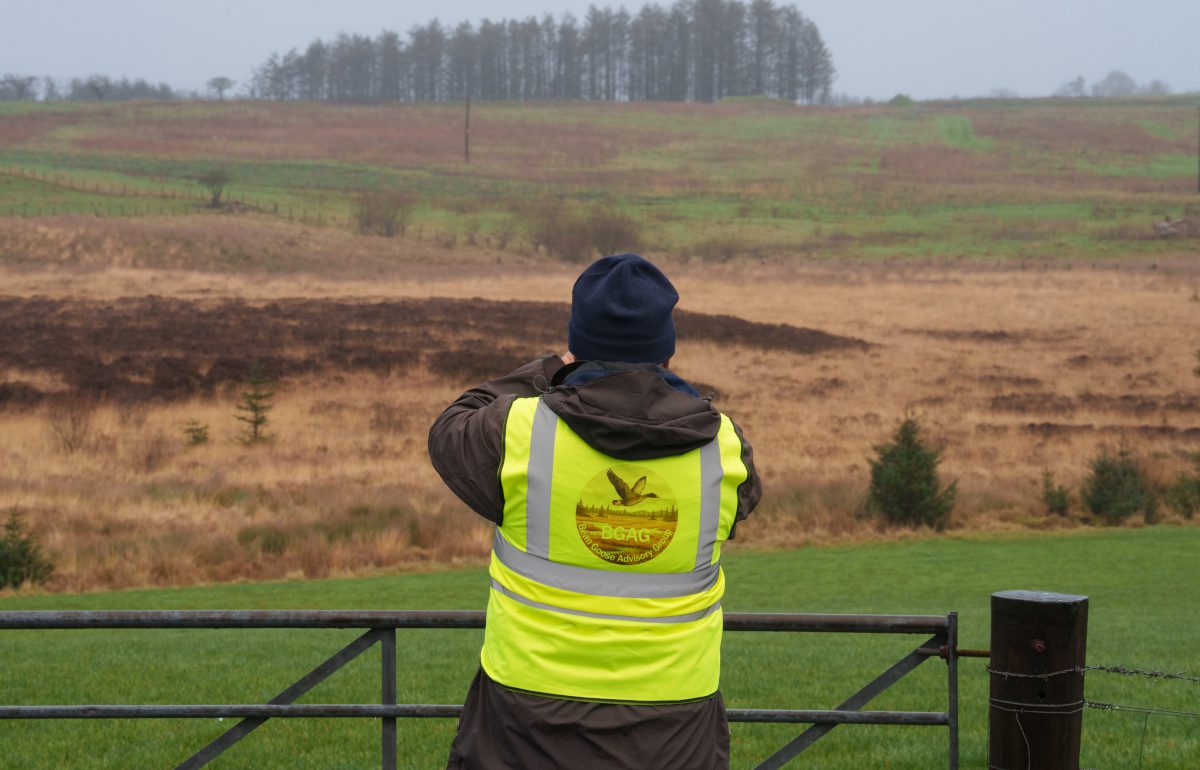
SP Energy Networks has committed £490,000 to a major peatland restoration project on Scotland’s Slamannan Plateau. Working with Buglife Scotland, the initiative aims to bring over 114 hectares of rare bog habitat back to life across Falkirk and North Lanarkshire – protecting unique wildlife and helping fight climate change.
Peatlands are one of Scotland’s natural powerhouses, locking away vast amounts of carbon and supporting species found exclusively within these local areas. But years of damage have left the bogs in poor condition. This project will restore five key sites by installing ditches, removing trees and creating the wetter conditions rare species like the Bog Sun Jumper Spider and the Large Heath Butterfly need to survive.
Running until March 2027, the programme will bring in specialist contractors and conservation experts, while also involving local communities, schools and volunteers in hands-on restoration activities. Buglife Scotland has already restored hundreds of hectares of bog in the area, and this new phase will complete a connected network of habitats across the Central Belt.
Melissa Shaw, Peatland Conservation Officer at Buglife Scotland, said: “Healthy peatlands are vital for both biodiversity and climate action, providing water storage and defence against flooding. With this funding from SP Energy Networks, we can build upon past peatland restoration works surrounding the Slamannan Plateau. We are breathing life back into these unbelievable natural spaces, reconnecting habitats and giving threatened species a fighting chance. Once these places are gone, the wildlife and the magic they hold are gone too – and that’s why this work matters so much.”
Each winter, the Slamannan Plateau also plays host to one of the UK’s most extraordinary wildlife spectacles – the arrival of the rare Taiga Bean Goose. The bogs are the only place in the UK these birds visit, flying in from Sweden to spend the colder months on its peatlands. As part of SP Energy Networks’ wider work in the area through the Denny to Wishaw (DWNO) upgrade project, the team are also funding satellite tags to track their migration, revealing more about their journey and helping protect this rare seasonal event.
Gill Renwick, Sustainability Manager at SP Energy Networks, added: Restoring these peatlands isn’t just about protecting rare species – it’s about safeguarding a living, breathing part of Scotland’s natural heritage.
“Our work to build and maintain the transmission network across central and southern Scotland is vital in the fight against climate change, helping more green energy come online than ever before. We’re proud to work hand in hand with Buglife Scotland and local communities to make sure this habitat thrives long into the future.”
This initiative is one of the flagship projects within SP Energy Networks’ Action Plan for Nature, which commits to becoming Nature Positive in its direct impacts by 2030 – halting and reversing biodiversity loss to achieve lasting recovery – and to delivering significant habitat enhancements in partnership with organisations such as Buglife Scotland.
For more information about SP Energy Networks and its projects, visit: spenergynetworks.co.uk