



Trump Imposes Secondary Tariffs, Reaching 25%, On Countries Still Importing From Iran
US and Iranian delegations conducted eight-hours of indirect negotiations mediated by the Omani government in Muscat on Friday, but it was merely minutes after the close of the talks that the US Department of State announced yet more sanctions on Iran.
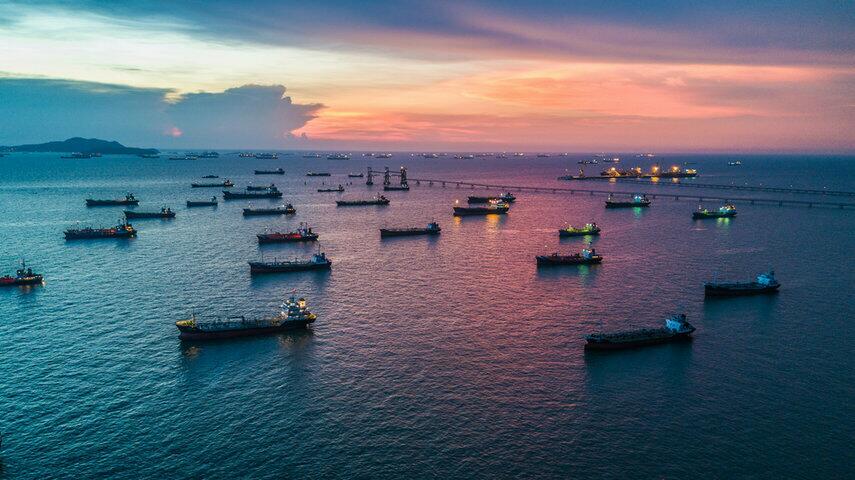
The punitive measures target 15 entities, two individuals and 14 vessels, charging them of being part of “the illicit trade in Iranian petroleum, petroleum products, and petrochemical products” – or the so-called shadow fleet.
The Friday US statement signaled support for antigovernment protests which dominated headlines for much of the last month, but which have died down since.
“Time and time again, the Iranian government has prioritized its destabilizing behavior over the safety and security of its own citizens, as demonstrated by the regime’s mass murder of peaceful protestors,” the State Dept. explained.
But Tehran has pointed out not all of them were peaceful, given that dozens or even hundreds of police and security personnel were killed and wounded, in some cases by armed rioters who also torched buildings.
The Iranian response to these new actions was for Foreign Minister Abbas Araghchi to make clear Tehran’s position that ‘fair’ dialogue as equals must be free of threats or pressure.
In a post on X, he said Iran “enters diplomacy with open eyes and a steady memory of the past year” – which means that “great distrust” now defines US-Iran relations and it needs to be overcome if any agreement can be forged.
But despite this plea, President Trump took more action in the form of slapping tariffs on any country still doing business with Iran:
The executive order, which takes effect on Saturday, directs the administration to impose new tariffs on countries that still do business with Iran.
It states that tariffs “may be imposed on goods imported into the United States that are products of any country that directly or indirectly purchases, imports, or otherwise acquires any goods or services from Iran.”
The order also sets out a mechanism for determining and applying those duties, with US Secretary of State Marco Rubio tasked with setting the rate.
These tariffs could reach as high as 25%, echoing a threat first floated by Trump in mid-January. This would significantly impact the single biggest buyer of Russian oil, China.
The additional tariff would also be felt by Russia, Germany, Turkey and the United Arab Emirates – the latter three of these being Washington allies.
Tyler Durden
Sat, 02/07/2026 – 22:45