




Iran Rejects US ‘Excessive Demands’ – But Next Talks Scheduled For Wednesday
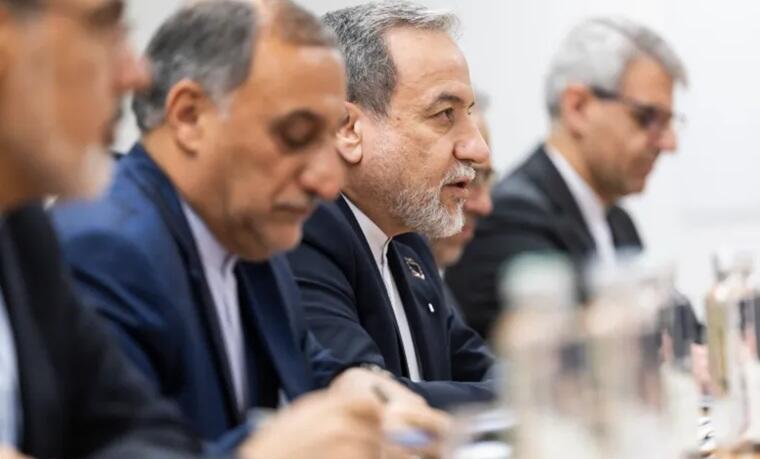
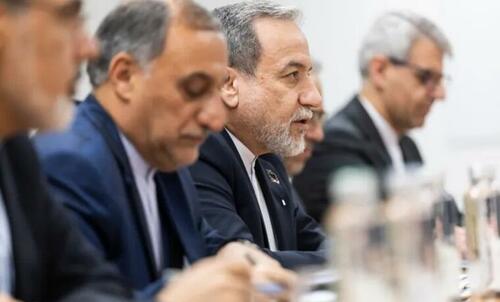
After the third round of indirect US-Iran talks held in Geneva on Thursday, Omani Foreign Minister Badr Al-Busaidi – who was the chief mediator – cited “significant progress” – which echoed the generally positive assessment of the Iranian side.
Iran’s Foreign Minister Abbas Araghchi initially declared, “We reached agreement on some issues, and there are differences regarding some other issues. It was decided that the next round of negotiations will take place soon, in less than a week.”
He acknowledged that it was the most “intense” round yet, but still a “mutual understanding” was reached to “continue to engage in a more detailed manner on matters that are essential to any deal – including sanctions termination and nuclear-related steps.” But there has been no deal, and Washington’s attack plans are still in preparation phase.
It must be recalled that President Trump said a week ago Tehran had two weeks to agree to Washington’s terms, and so the clock is ticking as the huge American military build-up in the region continues.
The latest statement by FM Araghchi issued Friday lays out that the Trump administration must drop its “excessive demands” for a nuclear agreement to take place.
“Success in this path requires seriousness and realism from the other side and avoidance of any miscalculation and excessive demands,” Araghchi reportedly said in a call with Egyptian Foreign Minister Badr Abdelatty.
There are reports that Washington may have actually dropped the ballistic missile reduction demand (or is at least not pressing it), but is still demanding zero enrichment, and that all remaining enriched uranium in Iran’s stockpile be transferred to US custody. In the process, the US wants to see Iran further dismantle the damaged nuclear sites of Fordow, Natanz and Isfahan.
The Wall Street Journal reported soon after Thursday’s talks wrapped up that no deal was reached, and that Tehran negotiators balked at the nuclear demands.
“Iran rejected the idea of transferring uranium stockpiles abroad. It also has objected to ending enrichment, dismantling its nuclear facilities and permanent restrictions on its program, Iranian state media and people familiar with the talks said,” WSJ wrote.
Are the negotiations just a smokescreen to put all military assets in place before the big (unprovoked) attack?
Exclusive- we spoke to Armed Services Chairman @SenatorWicker on Iran yesterday, who told us it’s a waste of time to expect the Iranian government to negotiate w/U.S. in good faith.
He suggested there’s a push to move to military strikes pic.twitter.com/UhB0rptcgW
— Joe Khalil (@JoeKhalilTV) February 27, 2026
With the next round (the fourth) of talks set to be held in Vienna this coming Wednesday, there remains the possibility that Trump could order some kind of strikes between now and then. Such an operation could be ‘limited’ – but there’s no guarantee that Iran’s response will also be limited in terms of the inevitable retaliation.
Tyler Durden
Fri, 02/27/2026 – 10:50