









Security Fears Suddenly Emerge Over Trump’s Visit To China
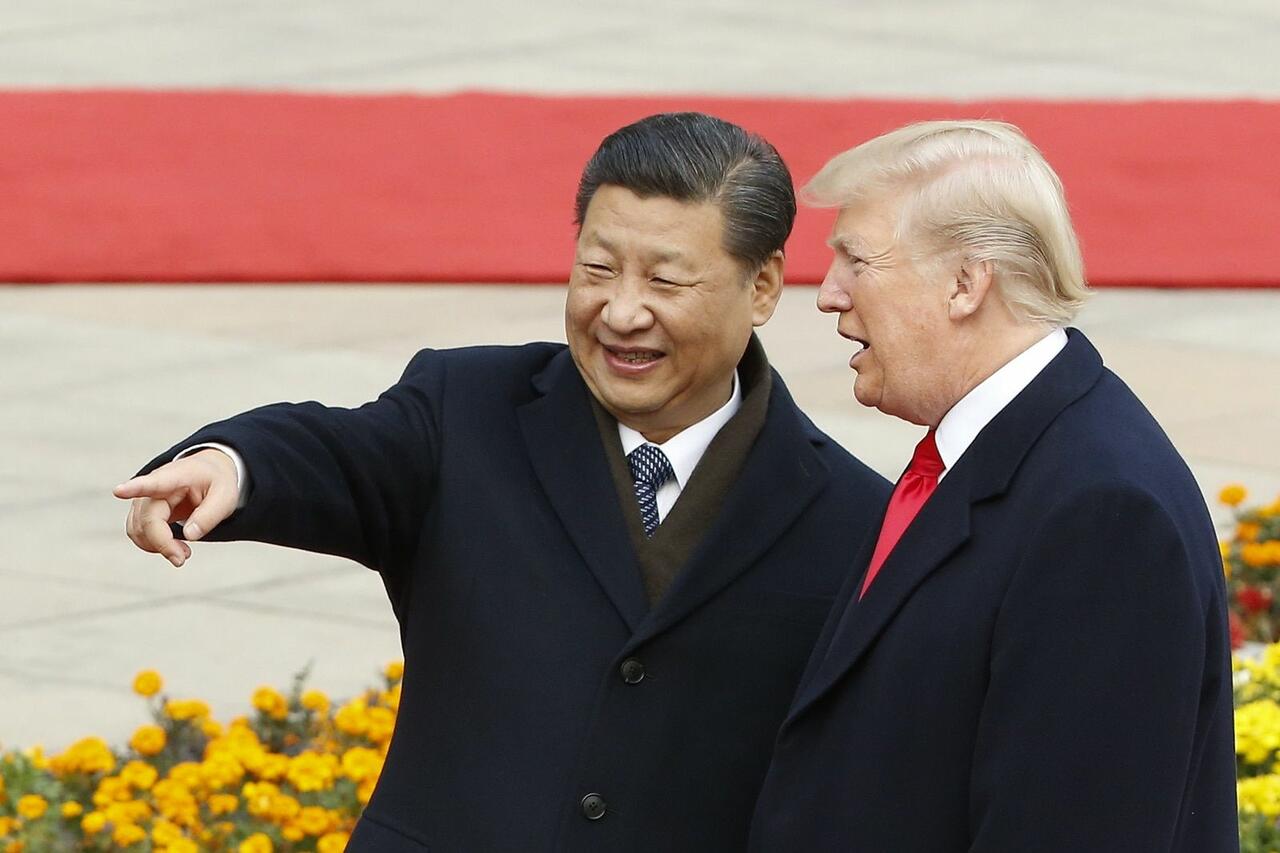
President Donald Trump’s forthcoming high-stakes visit to China will be restricted to Beijing alone due to both a demanding schedule and heightened security concerns, according to a report in the South China Morning Post.
“Unfortunately, his schedule is very tight. There is no room to squeeze in a visit to a second city,” one source told the SCMP.
“While the schedule is tight, security is also a top concern,” another source told the newspaper. “Adding a second destination will likely compromise security and create a logistical nightmare, so both sides agreed that the visit will be in Beijing only. There is a chance for Trump to visit Shenzhen during Apec [in November], so why hurry?”
“Given the situation [in the Middle East], the visit’s security arrangements must be extremely careful but we are very confident that the summit will be a success,” another source told the newspaper.
The White House has confirmed that Trump will travel to China from March 31 to April 2, marking the president’s first visit to the country since 2017.
Recent U.S.-Israeli military strikes on Iran, which resulted in the death of the regime’s supreme leader Ali Khamenei, have had only a “very limited” effect on preparations for the summit, according to SCMP’s sources.
The visit will come as the U.S. and China seek to preserve a fragile trade truce. The pause in escalation stems from a meeting between Trump and Chinese President Xi Jinping on the sidelines of the 2025 APEC summit in Busan, South Korea. After months of rising tariffs, restrictions on rare-earth exports, and agricultural boycotts, the two leaders agreed to a one-year truce that eased pressures on the global economy’s two largest players.
“There seems to be a really strong appetite to maintain that fragile trade truce that we saw struck in late 2025,” Nick Marro, global trade lead at the Economist Intelligence Unit, told SCMP. “I think, at best, we could see this continuation of a detente in tariff policy.”
Trump has characterized the 2025 deal as a “massive victory,” highlighting reductions in certain U.S. tariffs on Chinese goods (from around 57% to 47% in key areas like fentanyl-related levies), while China pledged to resume substantial purchases of American soybeans, sorghum, and other agricultural products, suspend new rare-earth restrictions, and cooperate on curbing fentanyl flows.
The Busan accord provided breathing room for American farmers and manufacturers, halted further escalation, and created space for potential longer-term talks – even as underlying structural disputes over technology and supply chains persist.
“Both sides will look for deliverables that can be packaged as wins they can present at home,” Wang Dan, China director at Eurasia Group, told SCMP, adding, “This could include numerical commitments for soybeans, energy and manufactured goods from the US.”
Tyler Durden
Mon, 03/09/2026 – 20:10