






A new approach to grid connections could accelerate the commercial rollout of vehicle-to-grid (V2G) technology in the UK, after UK Power Networks announced it can now automatically approve eligible installations within seconds.
Working with Octopus Energy, the distribution network operator (DNO) says it has become the first in the UK to enable instant approvals for connection requests that include V2G-capable electric vehicle (EV) chargers.
The move targets one of the key barriers to scaling V2G: the time and complexity involved in securing permission to connect low-carbon technologies to local electricity networks.
Removing a key bottleneck
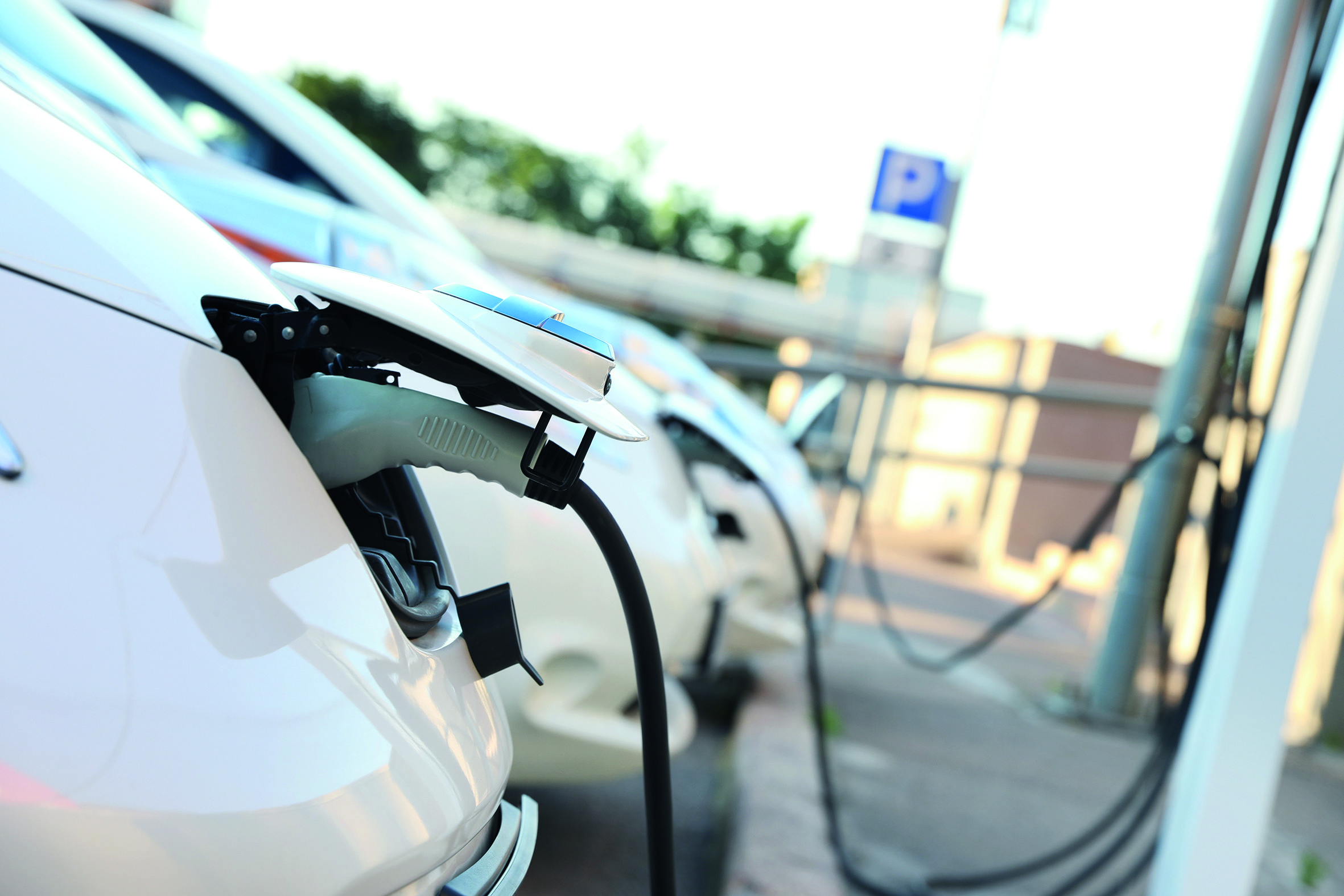
V2G systems allow EVs not only to draw electricity from the grid but also to export it back when demand is high, effectively turning parked vehicles into distributed energy assets.
However, deployment has been slowed by administrative and technical constraints, particularly around grid connections. Installing technologies such as EV chargers or solar panels typically requires approval from a DNO, a process that can delay projects.
UK Power Networks said it already approves around 80% of low-carbon technology applications instantly – well above a national average of 11% – and has now extended this capability to include V2G.
Where local network capacity is sufficient, installers receive automated approval by email.
The initiative builds on ongoing V2G trials involving EV owners in Amersham, Worthing and Enfield, with further participants expected to join in the coming months.
Alongside the approval process, UK Power Networks said it is coordinating network upgrades where needed and working with manufacturers and installers to ensure compliance with safety and technical standards.
Ashley Southgate, low-carbon technology strategy project manager at UK Power Networks, said the collaboration demonstrates how networks can enable innovation while maintaining system integrity.
“By working closely with Octopus Energy, we’ve been able to safely approve V2G connections automatically – a UK first,” he said. “It’s a real step forward in showing how networks can enable innovation while maintaining high safety and performance standards.”
Enabling flexibility markets
For suppliers, faster connections could help unlock the commercial case for V2G by reducing friction in deployment and allowing greater participation in flexibility services.
Michael Evans, director of optimisation and V2G at Octopus Energy Group, said streamlined approvals are critical to scaling the technology.
“Quick and easy grid connections are crucial to making V2G a commercial reality,” he said. “Instant approvals mean we can focus on unlocking the full potential of V2G – turning parked cars into flexible, low-carbon power sources.”
The development reflects a broader shift in the role of UK distribution networks, from passive infrastructure operators to active enablers of decentralised, flexible energy systems.
By reducing administrative barriers and accelerating connection times, the approach could support wider adoption of EVs and help integrate growing volumes of distributed energy resources.
While V2G remains at an early stage of commercialisation, industry observers see grid connection reform as a critical step toward scaling the technology beyond pilot schemes.