


COMMENT: Hello Martin
The outbreak has been centered in Kent and largely tied to a university and a nightclub event, with roughly 27 to 31 total cases and two deaths reported, and while officials have described the clustering as unusual, the broader context is that the UK typically records ongoing cases each year with England reporting roughly 378 cases in the 2024 to 2025 period, meaning this is a known bacterial disease rather than anything new or emerging.
What is actually happening is a localized outbreak of meningococcal disease, primarily the MenB strain, which has existed for decades and tends to spread in close-contact environments. It is not airborne in the way respiratory viruses are, but instead spreads through direct contact. Despite that, the response has begun to follow a familiar pattern where authorities contact tens of thousands of people, expand vaccination programs, and distribute thousands of antibiotic treatments. Universities move activities online and warnings are issued about travel potentially spreading the illness, all of which begins to mirror the behavioral response cycle seen during COVID even though the scale and transmission entirely different.
The comparison is not about the disease itself but about how the situation is being framed and managed, because during COVID, the key issue was not just the virus but the fear-mongering propaganda through constant headlines and policy escalation. Fear is a powerful tool.
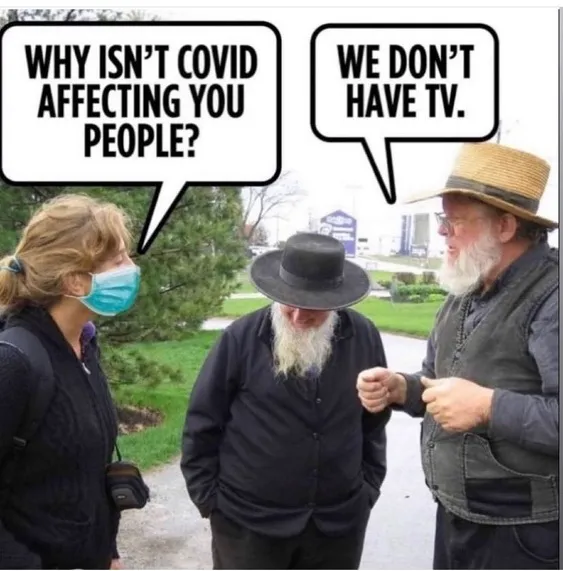
When you look at the actual risk assessments, health authorities have stated that the overall risk remains low and that the disease is not easily transmissible. There is already an established vaccine that is effective against the strain involved, which further reinforces that this is a contained public health issue rather than a systemic threat. The media narrative focuses on the most alarming aspects, such as deaths, and uses language like “explosive” or “unprecedented,” which becomes misleading when removed from the statistical facts. Governments use public fear to seize more control, and the cycle repeats.
From the perspective of the Economic Confidence Model, this type of reaction aligns with periods where confidence is declining and governments expand their role in managing outcomes, since public health provides a mechanism through which intervention can be justified, particularly when uncertainty and fear are running high.