

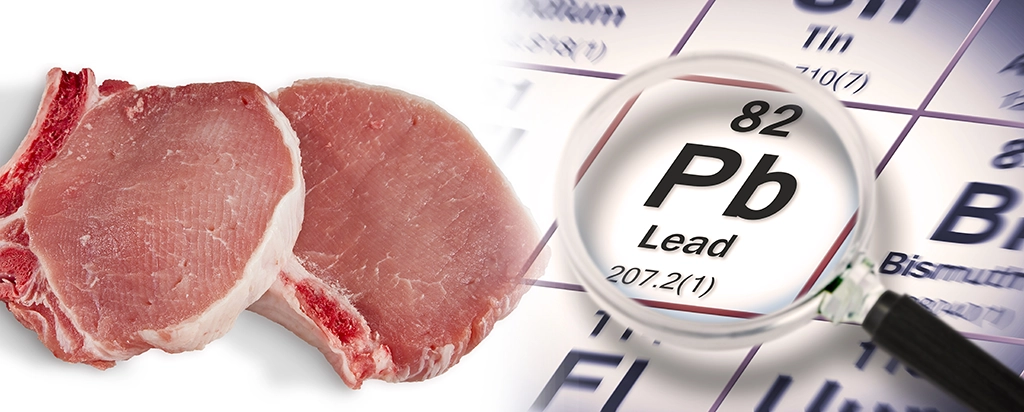
There has been an outpouring of recalls in the USA due to lead contamination in the food supply. Lead showing up in food in the United States is the result of overlapping structural problems that have been building for decades, and the recalls you are seeing now are simply the system reacting after the fact rather than preventing contamination in the first place.
At the core, lead is a naturally occurring heavy metal that exists in soil and water, but human activity has dramatically amplified its presence. The legacy of leaded gasoline, old paint, industrial emissions, and contaminated irrigation systems means that farmland across parts of the country still carries trace levels. Crops like root vegetables, grains, and even fruits can absorb lead directly from soil or water, so even “clean” farming practices cannot fully eliminate exposure.
Then you have the infrastructure problem. Much of the United States still relies on aging water systems, including old lead pipes. When that water is used in food processing or irrigation, it becomes another pathway for contamination. This is not theory, we have already seen this play out in places like Flint, and the same risk exists nationwide on a smaller scale.
Another major factor is imported ingredients. A significant portion of food sold in the U.S. relies on global supply chains where oversight is far weaker. Spices, chocolate, baby food ingredients, and supplements have repeatedly been flagged for elevated lead levels because they are sourced from regions with contaminated soil or less stringent regulation. Once those ingredients enter the U.S. supply chain, they are mixed into finished products that appear safe on the surface.
The recalls themselves happen because of how regulation is structured. Agencies like the FDA do not pre-approve every batch of food. Instead, companies are responsible for their own safety testing, and regulators step in when problems are detected through inspections, whistleblowers, or independent lab testing. That means contamination is often discovered after products are already on shelves.
What has changed recently is not necessarily the level of contamination, but the level of scrutiny. Testing methods are more sensitive, public awareness is higher, and lawsuits are increasing, especially around baby food. That is why you are seeing more recalls. The system is detecting what was always there.
From a broader perspective, this fits into a pattern that governments consistently overlook. They regulate the appearance of safety rather than the underlying infrastructure. You can pass stricter rules, but if the soil is contaminated, the pipes are old, and the supply chain is global and fragmented, the problem does not disappear. It simply surfaces in cycles, much like everything else. There is a growing distrust of the food supply in America. What was once a conspiracy is now generally accepted as a fact: America’s food supply is compromised. When people begin to question the safety of basic necessities like food and water, trust in institutions starts to erode, which is why “FDA Approved” does not equate to “safe for consumption.”