





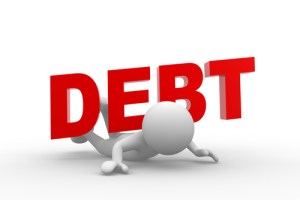
The private debt crisis, coupled with a consumer-based economy, is a recipe for disaster. Americans followed the age-old thinking of “buy now if it will cost more tomorrow” during Black Friday and Cyber Mondy sales, leading to the strongest year of sales on record. The problem is that a large percentage of buyers opted to “pay later” through Buy Now Pay Later (BNPL) payment plans, which are contributing to nationwide household debt levels.
Over $1 billion in sales over Black Friday/Cyber Monday was charged through BNPL platforms, a 4.2% YoY increase, according to shopping data from Adobe, which predicts total BNPL spending will reach $20.2 billion by the end of the holiday season.
BNPL offers interest-free installment payment options and is listed as a payment option during most online checkouts. BNPL loans grew from 16.8 million in 2019 to 180 million in 2021 for a total of $2 billion. By 2022, popularity grew and nearly a quarter of US consumers reported using BNPL for a charge. Those with subprime credit are more likely to use this option. The younger generations who favor mobile purchases are also far more likely to use this option as they may not have a credit card. Worse, BNPL provides an illusion of stronger purchasing power.
About 41% of BNPL users were unable to make payments on time, up from 34%, and 60% of users hold multiple loans. These purchases are generally not for big ticket items. In fact, the average loan is $142 per transaction. Apparel, clothing, shoes, and accessories account for up to 45% of all BNPL orders, followed by electronics at 30%. There has been a rise in consumers using this method for essentials like grocery—a massive red flag for the economy.
Total US household debt hit a record $18.585 trillion in Q3 2025, up from $18.39 trillion in Q2. The average debt per consumer stands at around $105,000 per the New York Fed’s Household Debt and Credit Reporting. Around 70% of that debt ($13.072 trillion) is tied up in mortgages. Yet, American consumers are taking on more debt than necessary or sustainable and holiday spending using “pay later” options are a negative indication of what’s ahead.