




DOE FY27 Budget Requests $45 Billion in Nuclear Funding
The White House fiscal year 2027 budget proposal has requested almost $54 billion for the Department of Energy in fiscal year 2027, with almost 80% of that funding going towards nuclear energy and nuclear deterrent programs. The funding request represents a nearly $5 billion increase from 2026 levels.
Outside of the $32.8 billion in funding requested for the National Nuclear Security Administration (NNSA), the Trump admin cites a $2.7 billion reduction in funding requests achieved by “slashing Green New Scam initiatives and rooting out woke diversity, equity, and inclusion (DEI) programs”.
The NNSA receives a $3.6 billion (12%) increase from the prior year. The request supports warhead modernization, infrastructure recapitalization, life-extension programs, next-generation naval reactor technology, and nuclear emergency response teams.
These defense nuclear activities also advance high-assay low-enriched uranium ((HALEU) production with direct benefits for commercial reactor fuel supply chains.
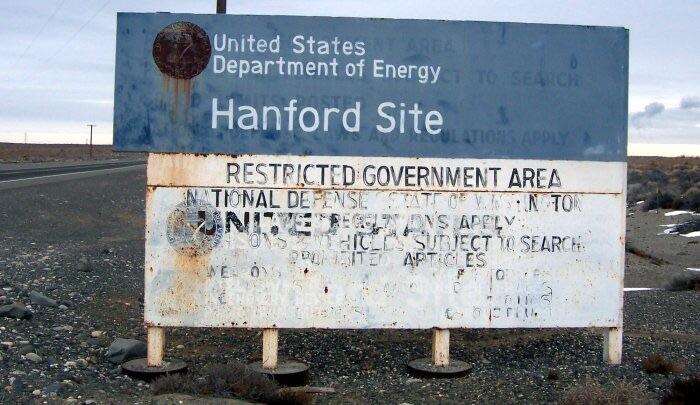
Environmental Management is funded at $8.2 billion, down $386 million from the enacted level. The program addresses legacy radioactive waste and contamination at former Manhattan Project and Cold War weapons sites. Approximately $3 billion targets the Hanford site in Washington state for continued operation of the Direct Feed Low-Activity Waste Facility and other near-term cleanup milestones. The initiatives reduce long-term federal liability and clear land for potential future nuclear or industrial reuse.
The budget makes a specific call out for an additional $3.5 billion to “rapidly deploy firm baseload power”. No further explanations are given for what exactly is covered under this initiative, but it is assumed to be a combination of nuclear energy and geothermal power-related programs. The DOE and its various offices have issued multiple award programs to kickstart the expansion of two of the current administration’s preferred power generation methods.
The $53.9 billion figure captures the entire department request while nuclear security, cleanup, and energy investments form the dominant share. Civilian nuclear energy programs such as advanced reactor demonstrations and fuel-cycle work appear folded into the non-NNSA portion or supported through targeted baseload funding.
The proposal continues the pattern of prioritizing nuclear deterrence and legacy stewardship even as other energy accounts face reductions or proposed cancellations.
Tyler Durden
Sun, 04/05/2026 – 11:40