







E. Coli At ‘Incredibly Dangerous Levels’ As DC Raw Sewage Spill Into Potomac May Be Largest In US History
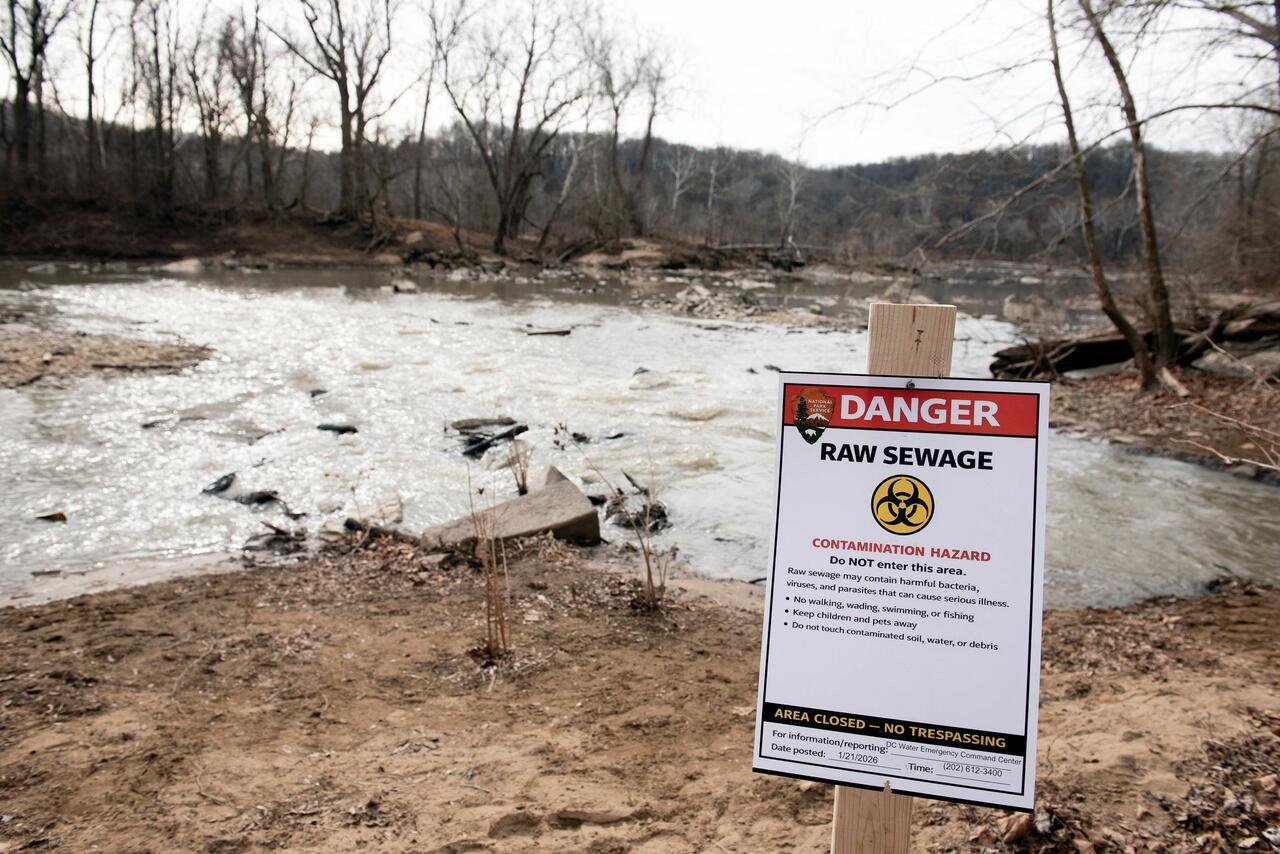
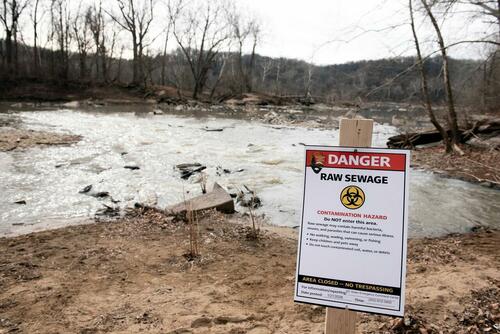
Raw sewage from a 60-year-old pipe has dumped roughly 300 million gallons of waste into the Potomac River in what is possibly the largest sewage overflow in U.S. history, according to environmental advocates and regional officials.
DC Water said last week that a section of its sewer system known as the Potomac Interceptor collapsed along the Clara Barton Parkway on Jan. 19, triggering a massive discharge of untreated wastewater into the river.
In a press release, the utility estimated that approximately 243 million gallons of wastewater had overflowed from the collapse site. On Monday, DC Water said there had been an additional “significant overflow” on Sunday during a period of high river flow, noting that some bypass pumps were not in service at the time.
The Potomac Riverkeeper Network, a local environmental advocacy organization, claimed in a Facebook post Wednesday that the total volume of sewage released had surpassed 300 million gallons.
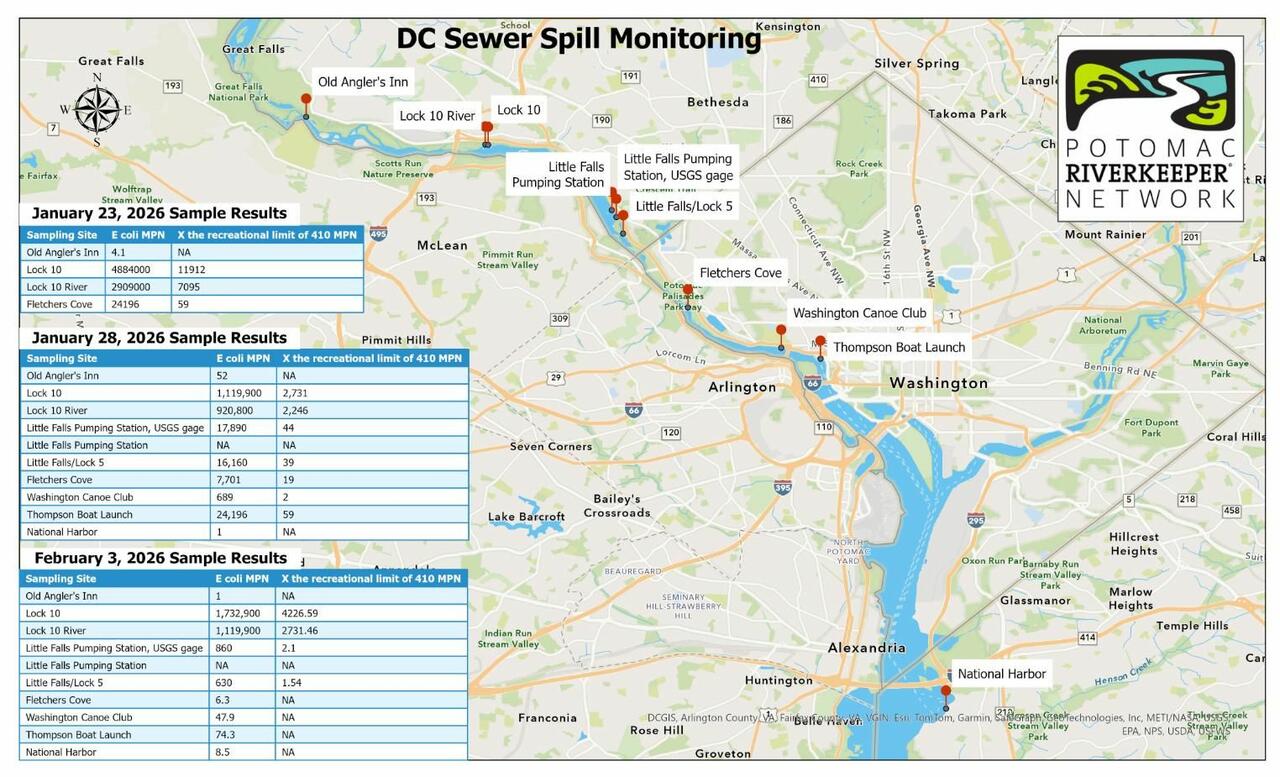
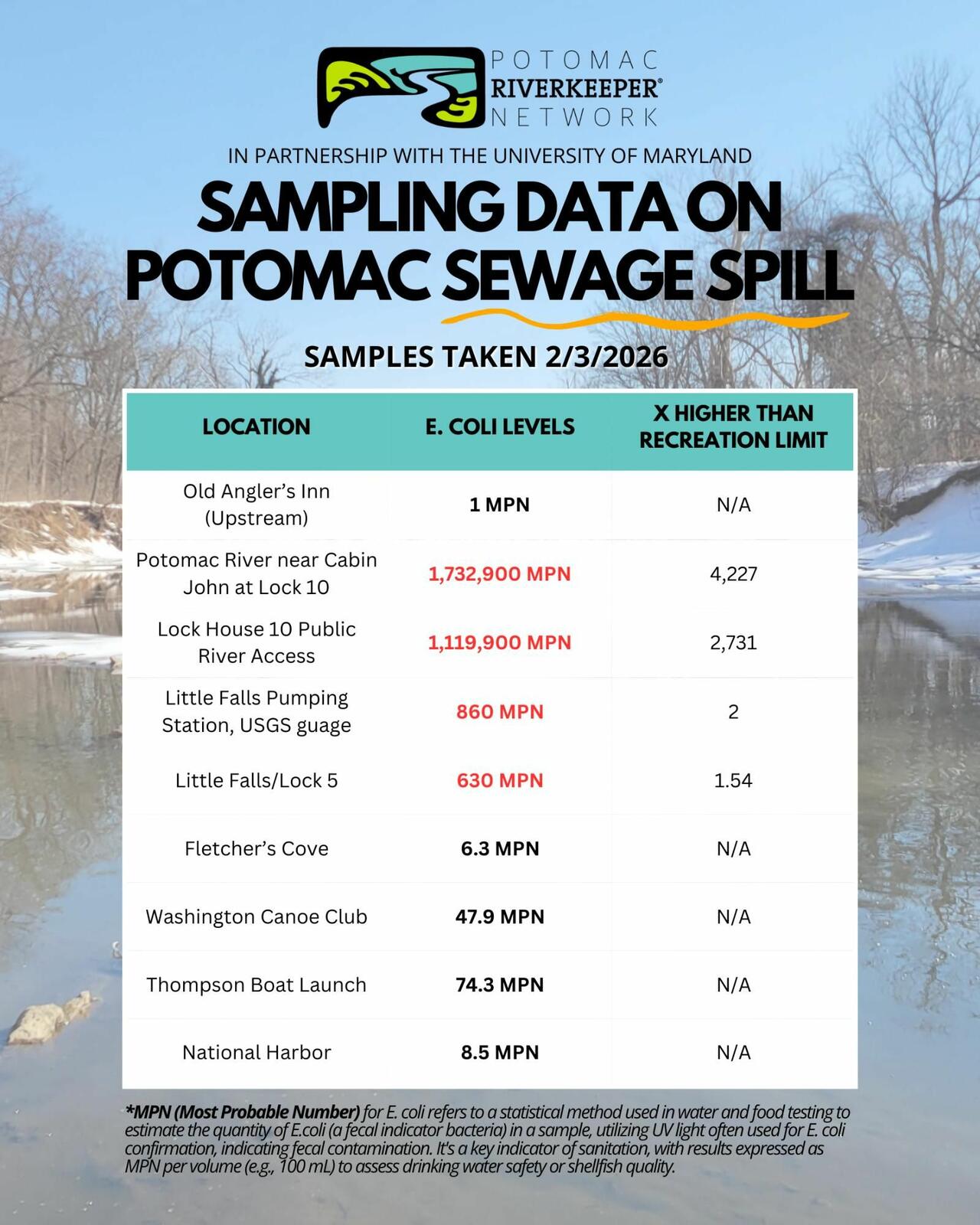
An analysis of the water by the University of Maryland (UMD) and the Riverkeepers found “high levels of fecal-related bacteria and disease-causing pathogens” – which they say raise “urgent public health concerns.”
“Raw sewage from a 60-year-old pipe has vomited roughly 300 million gallons into the Potomac River and is still not fully contained,” said PRKN President Betsy Nicholas.
Dean Naujoks, who holds the title of Potomac Riverkeeper, told The Baltimore Sun that the only comparable sewage spill he could recall occurred in 2017 along the U.S.-Mexico border, when roughly 230 million gallons of wastewater were released.
“The Potomac River is a shared natural treasure, and any event that threatens its health understandably causes concern, frustration, and a sense of loss,” DC Water CEO David L. Gadis said in an open letter released Wednesday. “Those feelings are not only valid — but they are also shared by all of us at DC Water.”
Environmental experts say the scale of the spill is difficult to contextualize but extraordinary by regional standards.
Gussie Maguire, a Maryland staff scientist with the Chesapeake Bay Foundation, compared the volume released in Washington to annual sewage overflow totals in Baltimore.
“The way that I put it into perspective for myself and for people before is I compared it to annual sewage overflow amounts,” Maguire told The Hill in a Thursday interview. “You don’t really necessarily want to think about it, but there are a lot of sewage overflows going on in any particular year.”
Maguire said Baltimore’s largest recent annual sewage overflow occurred in 2018, when the city released approximately 250 to 260 million gallons over the course of the entire year — a volume comparable to the Potomac spill from a single infrastructure failure.
She also noted that the section of sewer that collapsed had already been slated for upgrades, with DC Water having allocated more than $600 million for planned improvements.
While the spill itself was a single incident, Maguire said the underlying vulnerabilities that caused it are widespread.
“The sewage spill was a single event, but the circumstances that led to it are not unique,” she said, adding that sustained funding for infrastructure upgrades is “really, really important, so that we don’t see this sort of large-scale spill become a regular occurrence.”
The environmental consequences have been immediate. Researchers from the University of Maryland reported that E. coli bacteria levels at a Potomac River monitoring site were 10,000 times above Environmental Protection Agency recreational standards two days after the Jan. 19 rupture. A week later, those levels had fallen but remained 2,500 times above federal guidelines.
Officials have warned that monitoring and cleanup efforts will continue as repairs to the damaged sewer infrastructure move forward.
Tyler Durden
Thu, 02/12/2026 – 22:10