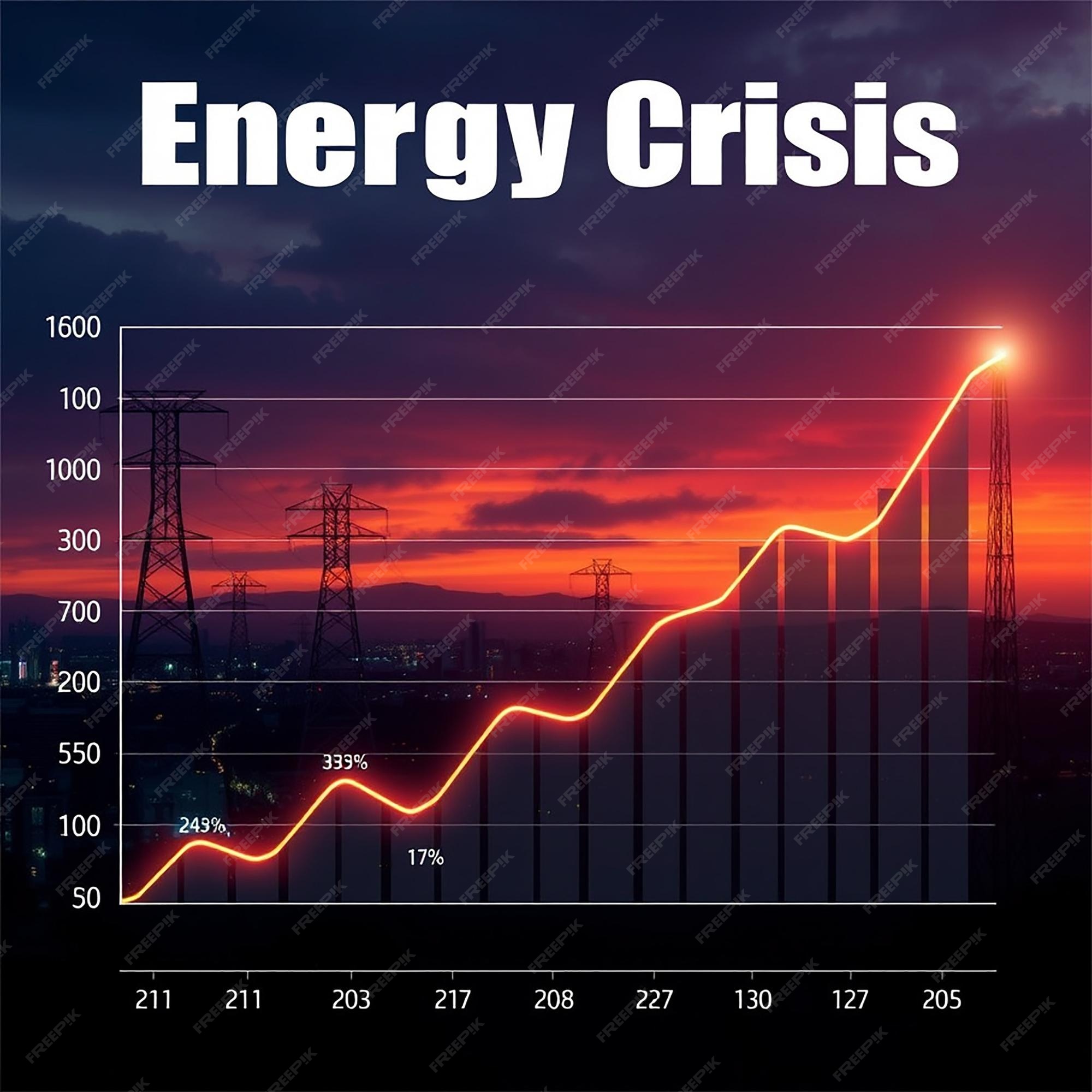




Europe is now removing any doubt about the seriousness of this crisis, because governments do not tell millions of people to stay home from work unless there is a genuine shortage forming beneath the surface. The European Union has begun urging citizens to work from home, drive less, reduce speed limits, and cut overall energy consumption as part of an emergency response to the shock created by the Iran war.
The language coming out of officials makes it clear that this is not temporary. European authorities are warning of a “very serious situation” with no immediate end in sight, and that is consistent with what we are seeing globally as the closure of the Strait of Hormuz has disrupted one of the most critical energy arteries in the world. Roughly 20% of global oil and gas normally moves through that route, and Europe alone depends on it for a meaningful portion of its energy mix, including about 7% of its oil, 8.5% of LNG, and as much as 40% of jet fuel and diesel. When that flow is disrupted, there is no quick replacement.
What governments are doing now is trying to reduce demand because they cannot increase supply fast enough. The International Energy Agency has even outlined measures such as reducing highway speeds, limiting private car use, encouraging public transportation, and shifting work patterns to remote where possible. This is not environmental policy, this is rationing by another name. It is the same playbook we saw in the 1970s, only now it is being implemented through modern systems rather than overt fuel lines and shortages at the pump.
The push toward remote work is particularly telling because it highlights how deeply energy is embedded in the economy. Commuting, office buildings, transportation networks, all of these consume energy, and by reducing physical movement, governments are attempting to lower overall demand without explicitly declaring rationing. Some countries are even moving toward four-day workweeks and limiting travel to essential activities only, which again shows that the problem is not theoretical but already impacting how economies function on a daily basis.
This ties directly into the broader supply shock that has been described as the largest in modern history. The International Energy Agency has warned that this crisis is worse than the shocks of 1973, 1979, and even the recent energy disruptions combined, and that is because the current system is far more interconnected and dependent on continuous energy flows. Europe entered this crisis with already low gas storage levels, estimated around 30% capacity after a harsh winter, which has left it particularly vulnerable as prices have surged and supplies tightened.
What the public still does not fully grasp is that this is only the beginning phase. The oil and gas that were already in transit before the disruption are still working their way through the system, and that has delayed the full impact. Governments are trying to get ahead of that moment by cutting demand now, because once those flows diminish further, the gap between supply and consumption will become impossible to ignore. That is when rationing becomes unavoidable rather than advisory.
There is also a secondary effect that is already emerging, which is the impact on industry. Energy-intensive sectors across Europe, including chemicals and manufacturing, are facing rising costs and in some cases reducing output or adding surcharges of up to 30% just to stay operational. This is how an energy crisis turns into an economic crisis, because once production slows, prices rise, and growth begins to stall while inflation accelerates, creating the classic stagflation scenario.
The idea that economies can continue operating at full capacity while energy supply is constrained is simply not realistic. When energy becomes scarce, everything above it must contract, and that is exactly what we are seeing with reduced work schedules, remote work mandates, and transportation limits.
Governments are trying to manage the transition in a way that avoids panic, but the measures themselves reveal the severity of the situation. Once you begin telling entire populations to change how they work, travel, and consume energy, you have already crossed into crisis territory.
This will not resolve quickly. Officials are already warning that the shock will be long-lasting, and that suggests the current measures are just the first step. If the disruption to global energy flows continues, these temporary adjustments will evolve into more formalized restrictions, and what is now being presented as voluntary guidance will become mandatory policy.
Energy sits at the foundation of the entire economy, and once that foundation is disrupted, everything built on top of it begins to shift. Europe is now entering that phase, and the move toward remote work and reduced consumption is simply the first visible sign that the system is under strain.