



EU policymakers see citizen energy communities as a key contributor to the bloc’s renewable energy transition.
The European Union’s ambition to accelerate the energy transition through citizen-led renewable projects is progressing far more slowly than expected, according to a new report by the European Court of Auditors (ECA).
In a special report released on 9 March, the EU’s independent audit body said that although energy communities were intended to become a major driver of renewable power generation, their development across member states has “not really taken off”. The auditors found that legal uncertainty, administrative barriers and technical constraints are hindering wider participation in these initiatives.
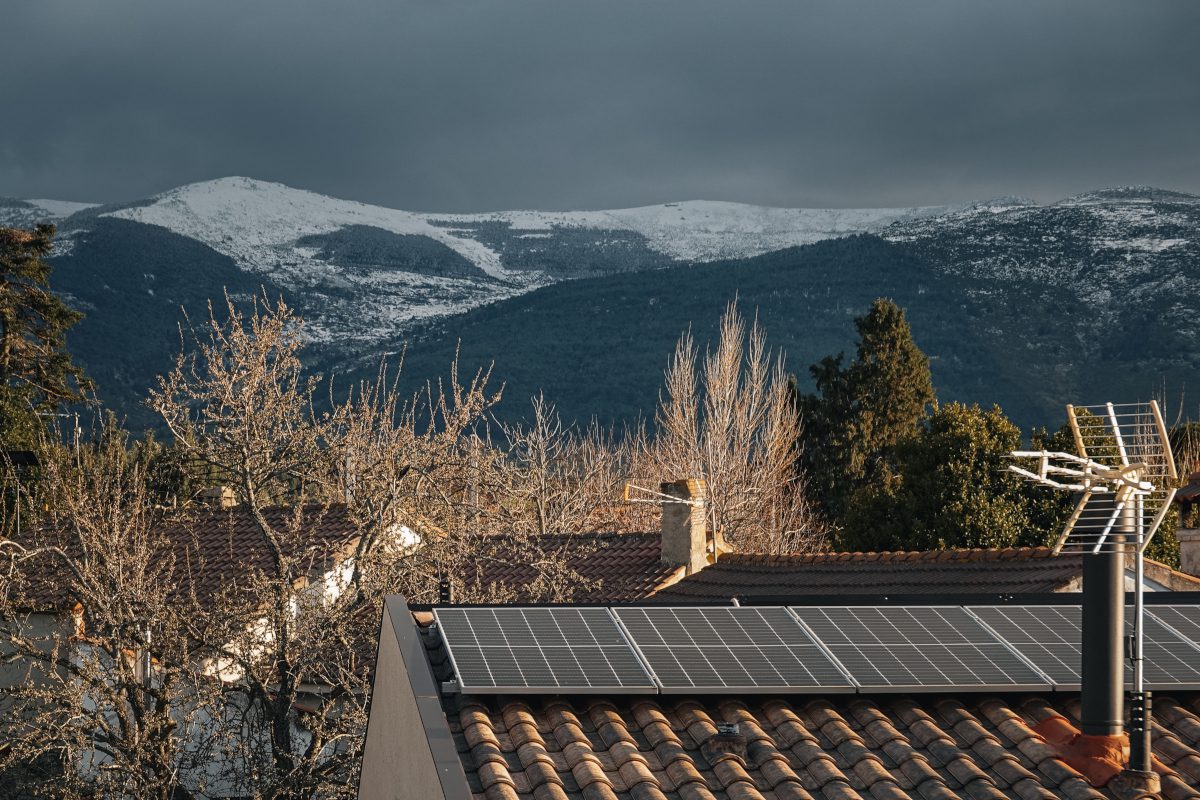
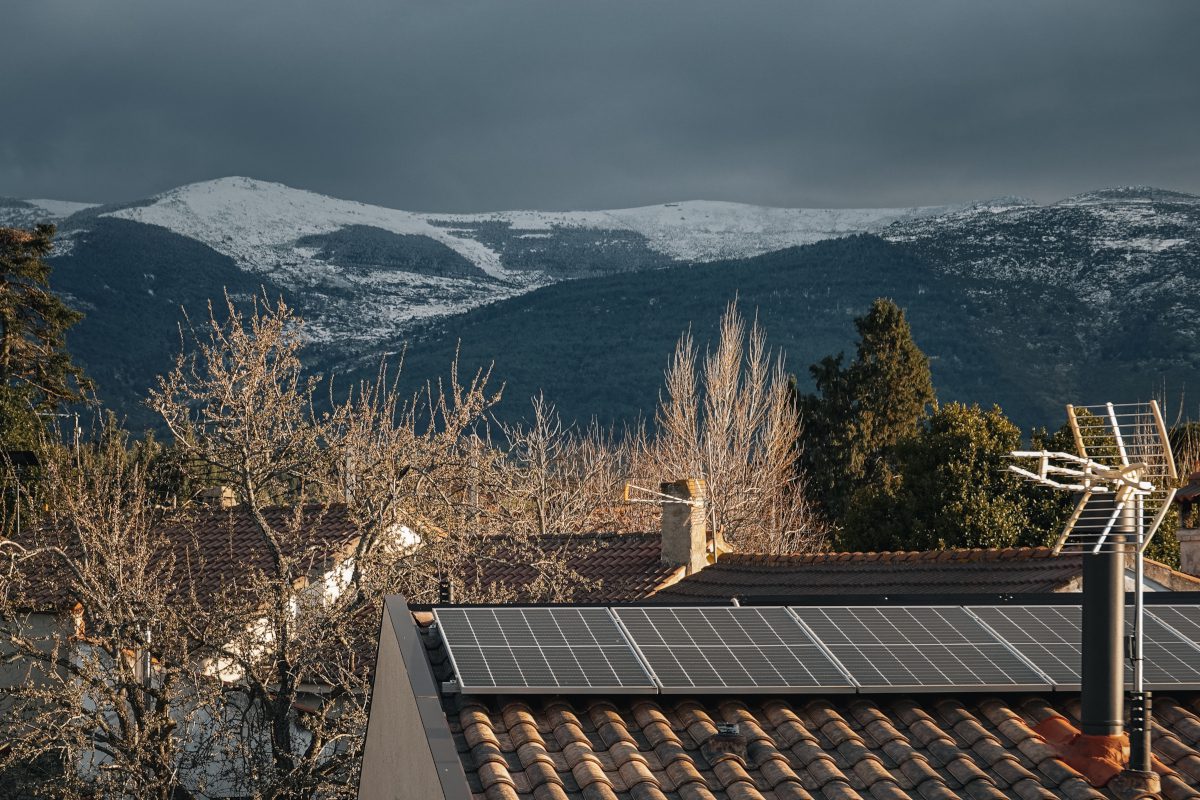
Energy communities are legal structures enabling citizens, local authorities and small businesses to jointly generate, manage and share renewable energy. Projects can range from rooftop solar installations on apartment buildings to community-owned wind turbines supplying electricity to neighbourhoods or villages.
The EU has regarded such initiatives as a key component of its long-term decarbonisation strategy, anticipating that by 2030 they could account for a significant share – between 17% and 21% – of Europe’s wind and solar capacity. However, the auditors conclude that the scale of development so far falls well short of those expectations.
“As the EU races to meet its climate and energy goals, citizen-led energy remains a compelling idea – ideal in theory, but challenging in practice”, said João Leão, the ECA Member responsible for the audit. “The EU now needs to sweep away legal hurdles and technical roadblocks to make it work effectively on the ground.”
The report highlights several structural barriers slowing the expansion of energy communities. Unclear EU definitions and regulatory frameworks have created confusion about how such organisations should be structured, how electricity generated within them can be shared, and how surplus power may be sold to the grid. This uncertainty can discourage citizens from setting up projects, particularly in apartment buildings where new energy entities would have to coexist with existing owners’ associations.
Infrastructure constraints also pose a challenge. According to the auditors, delays or refusals to connect new renewable installations due to grid congestion are slowing progress. In addition, the report notes that mismatches between energy production and consumption patterns—such as solar panels generating most power at midday while household demand peaks in the morning and evening—highlight the need for greater deployment of storage solutions. Yet the European Commission has not prioritised incentives for storage in energy community schemes.
One EU-level objective had been for every municipality with more than 10,000 inhabitants to host at least one renewables-based energy community by 2025. However, the auditors say available data suggest that the bloc has largely missed this target.
The audit examined whether the European Commission and member states had created effective conditions for energy communities to flourish, focusing in particular on the Netherlands, Poland, Italy and Romania. The findings are intended to inform ongoing work on the recast of the EU’s Renewable Energy Directive and the development of a forthcoming Citizens’ Energy Package.
The auditors conclude that stronger policy coordination, clearer rules and targeted incentives will be needed if citizen-led energy initiatives are to play the role envisaged in the EU’s transition to climate neutrality.