

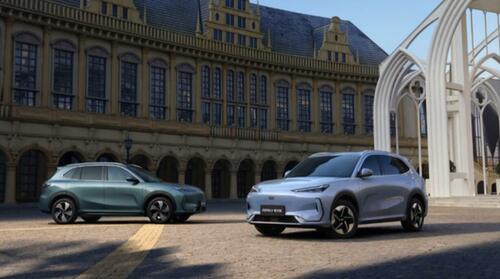
Ford Denies Talks With Geely About Bringing Chinese Car Tech To U.S.
On Friday, a report crossed the wire that Ford and Geely had been in discussions about collaborating more closely, including whether their developing European partnership could expand into the U.S. market, according to the Wall Street Journal.
Ford denied the claims, which stated that one idea involved Ford using Geely’s vehicle technology domestically. The talks had reportedly cooled, with both sides shifting attention back to Europe, where they are considering sharing production capacity and technical resources.
Geely is motivated to enter the U.S., a lucrative but tightly restricted market for Chinese automakers. High tariffs, bans on Chinese-connected vehicle software, and political resistance from U.S. industry and lawmakers all make entry difficult.
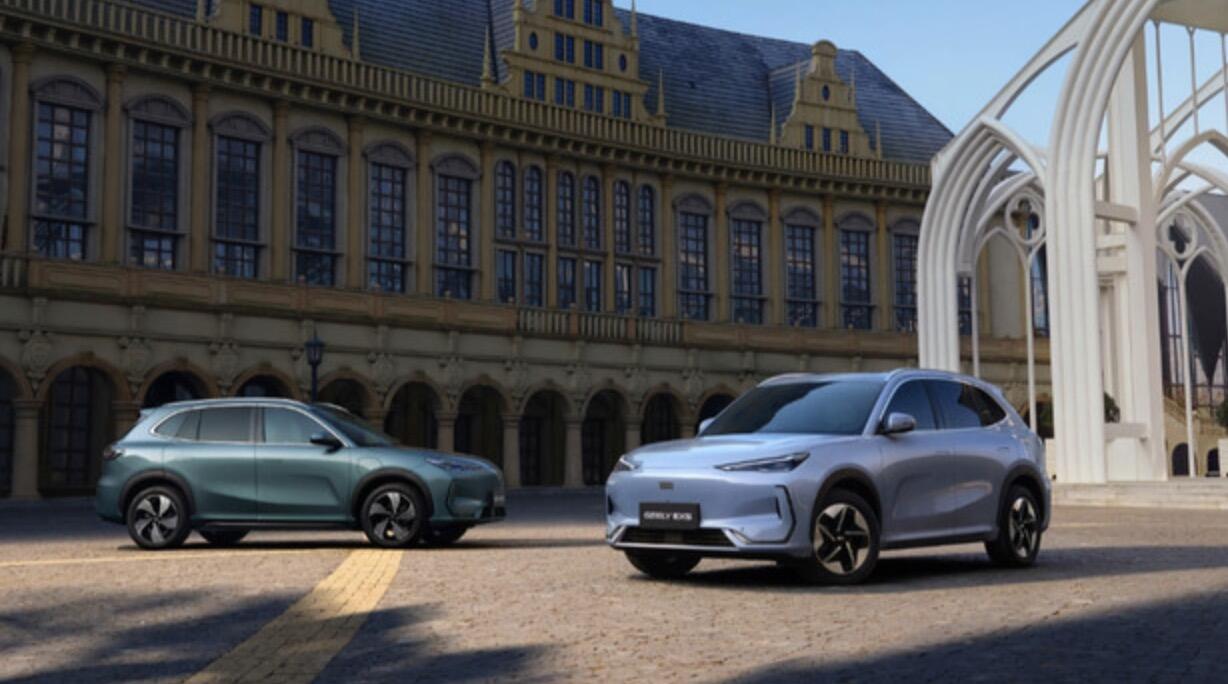
Ford itself has signaled caution, with leadership stressing the importance of protecting American jobs and competitiveness. A company spokesman reinforced that stance, saying, “Our commitment to a level playing field and safeguarding our home market remains absolute.”
The WSJ wrote on Friday that Geely, for its part, has kept its response general, noting, “We always keep an open mind when it comes to exploring cooperative opportunities,” while avoiding specifics about any potential deal.
Earlier discussions went further than simple cooperation, including the possibility of Ford building future models on a Geely-developed platform and leveraging its engineering to speed up EV development. Geely also explored using Ford’s existing manufacturing footprint—particularly in Europe—to bypass trade barriers and scale production more efficiently. While those ideas remain on the table in some form, they highlight how both companies see strategic value in collaboration, even as geopolitical tensions limit how far that cooperation can extend.
Later in the day on Friday after the report, Ford “denied a news report that it has held talks with Geely Automobile Holdings Ltd. about bringing Chinese car technology to the US market”, claiming “no such talks” happened.
The broader context is intensifying global competition: Chinese automakers are gaining ground internationally with cheaper, tech-focused vehicles, putting pressure on Western companies. Even so, any attempt to formalize a U.S. partnership would face significant political scrutiny, making overseas collaboration a more practical path for now.
Tyler Durden
Sun, 04/26/2026 – 18:23