










France Plans €10 Billion Push To Cut Reliance On Gas and Oil
France is shifting its response to rising fuel costs away from short-term relief and toward long-term electrification, according to Prime Minister Sébastien Lecornu. Instead of expanding fuel subsidies after oil prices spiked due to the Iran conflict, the government plans to redirect funding into helping households and businesses transition to electric energy, according to Bloomberg.
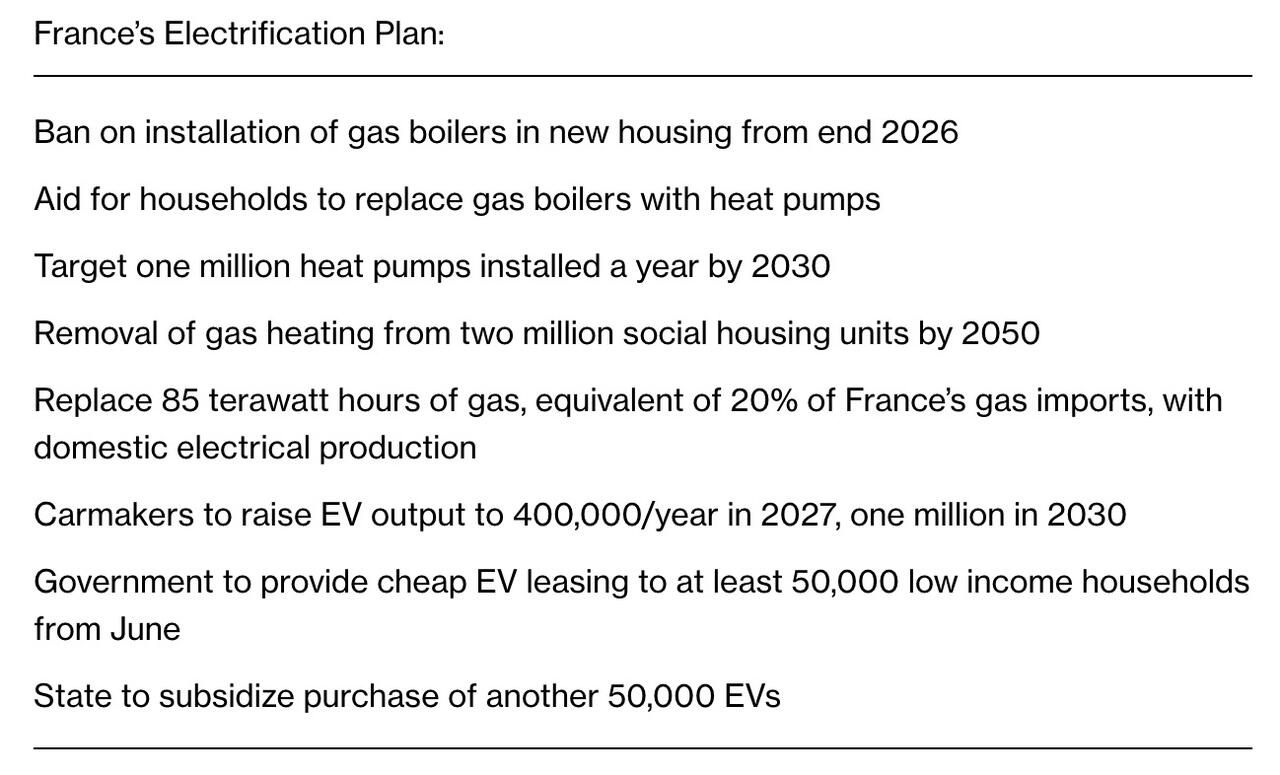
Under the plan, annual support for electrification will nearly double to €10 billion by 2030, up from €5.5 billion today. The increase will come from reallocating existing spending and cutting the state’s own energy use, with funds aimed at technologies like electric vehicles and heat pumps to replace gas-based systems. Lecornu emphasized that the support would be targeted at those most in need while staying consistent with France’s deficit-reduction goals.
Bloomberg writes that the government is prioritizing structural change over temporary fixes, a stance Lecornu made clear by saying, “This means refusing measures that are too generous, too costly, that too often create windfall effects and sometimes rents, without resolving fundamental problems.” His comments reflect a deliberate move away from broad subsidies toward more focused, long-term investments.
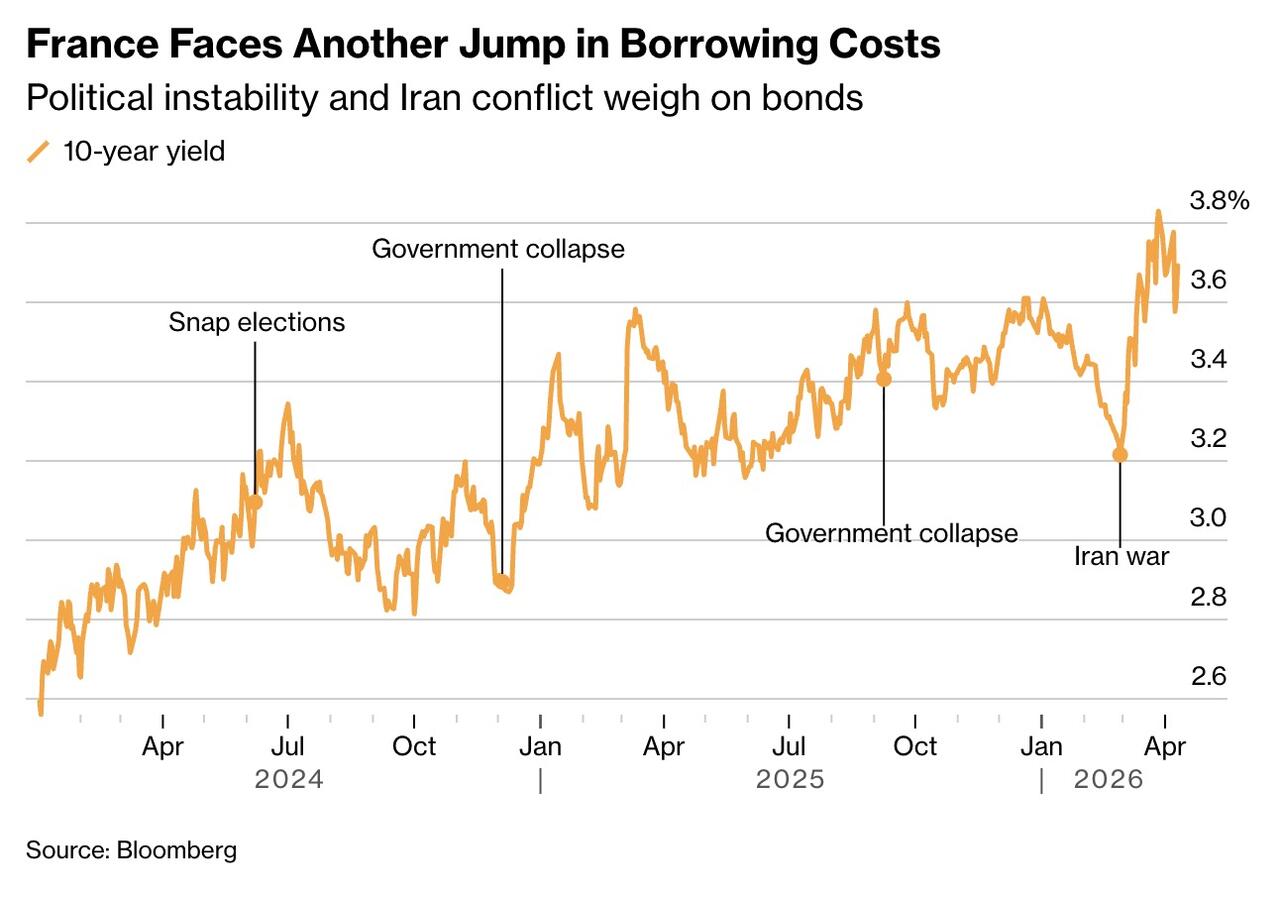
This marks a notable departure from 2022, when France spent tens of billions of euros cushioning consumers from energy shocks. Those measures contributed to the largest budget deficit in the eurozone and, combined with political instability, made it harder to restore fiscal balance. Rising borrowing costs have since added further pressure, with officials warning that higher bond yields linked to geopolitical tensions could increase debt servicing costs by billions.
While the government had considered additional aid for workers dependent on cars, those plans were paused after a temporary drop in oil prices following a ceasefire involving Iran. Lecornu signaled that flexibility remains, stating that further action could still be taken if fuel prices rise again and begin to significantly impact vulnerable workers.
Tyler Durden
Tue, 04/14/2026 – 02:45