




Hegseth Makes Clear: ‘Trump Favors Negotiated Deal With Iran’
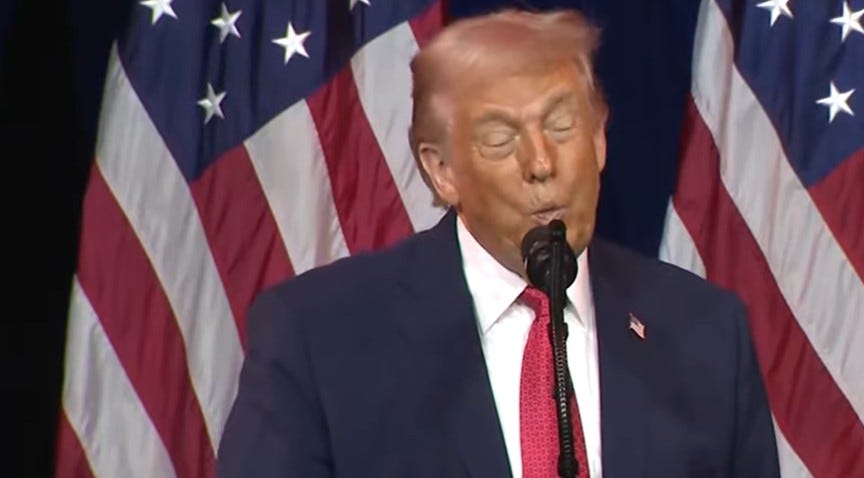
Despite Trump’s threats about sending a second Carrier Group to the MidEast, Secretary of War (Defense Dept) Pete Hegseth said this week at an event in Maine that “President Trump has been clear to Iran, he wants a negotiated settlement. I think it would be a wise choice for them to take him up on that deal. The world saw America’s capabilities, peace through strength deterrence in action.”
But to be expected, he hyped American military capabilities in the Middle East. “…Peace through strength, deterrence in action. We were out of Iran before Iran even knew we were there. No other country can do that” – in reference to the June war in which US bombers hit three Iranian nuclear sites with bunker-busting bombs.
This has been met with an Iranian military warning that US assets in the region will be targeted in such a ‘next round scenario’. Islamic Revolutionary Guard Corps official Aziz Ghazanfari, a deputy head of the Guard’s political department, has reviewed that in the context of Oman-based indirect negotiations with the US, Iran was presented with four demands that went beyond the nuclear issue.
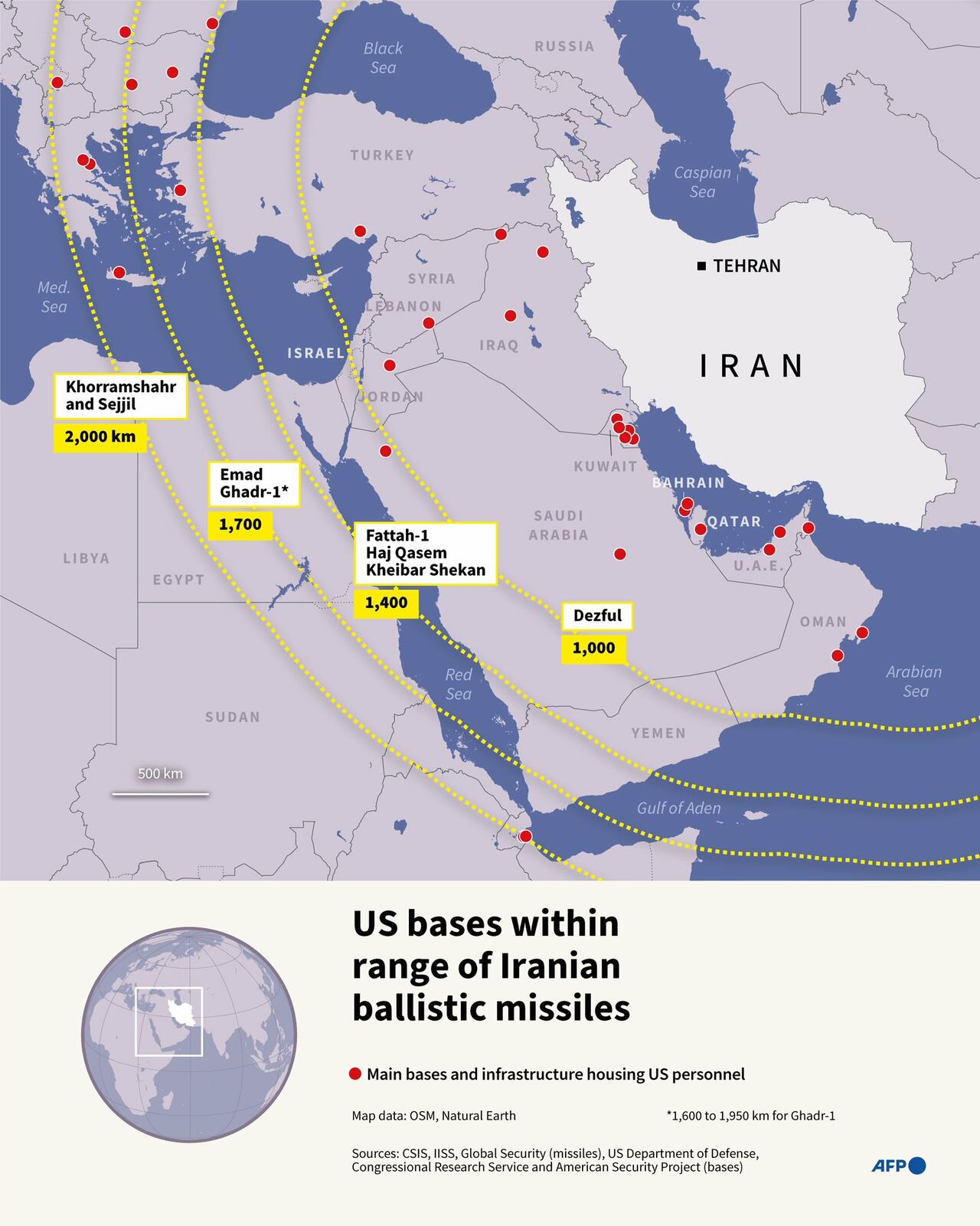
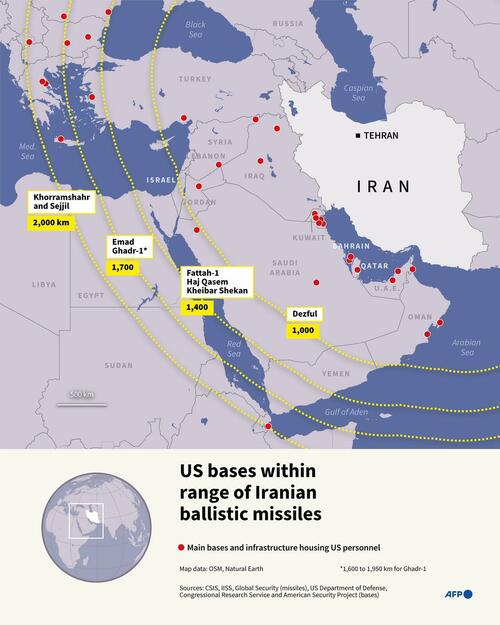
The key sticking point is Iran’s conventional ballistic missile arsenal. Israel wants complete disarmament or at least a monitored reduction in range. So far, Israel is represents the hard line position, which has clearly influenced some officials in the Trump administration.
The AFP has newly published the below infographic:
But amid the military and political pressure, Iran is not going to give up the one thing it considers its first line of defense: the ability to hit back in the event of an Israel-US attack.
Hegseth in his latest comment on the issue warned Tehran it would be a “wise choice” to accept Trump’s offer. All of this makes an attack in the next couple days unlikely – however, there are clear signs of a continued Pentagon build-up in the region.
As for where diplomacy stands, Iranian analyst and long time observer of Iran’s nuclear dossier, Hassan Beheshti-Pour, says that the real substance “lies in the technical options quietly circulating, not in public rhetoric”. Among these options:
a temporary and voluntary suspension of enrichment, not dismantlement;
a freeze-for-freeze mechanism pairing enrichment pauses with sanctions suspension and even the idea of a multinational nuclear fuel bank (Russia, Kazakhstan, or elsewhere) to guarantee supply while addressing proliferation concerns.
Beheshti-Pour also points to broader confidence building frameworks, including regional security arrangements aimed at reducing the rationale for external military pressure.
As we detailed earlier, Iran is offering to dilute its enriched uranium if Washington agrees to remove all sanctions on the country.
This week the head of Iran’s Atomic Energy Organization, Mohammad Eslami, is strongly signaling Tehran is ready to play ball, even if it is on Washington’s terms – and after a history of the US side breaking its word (starting with the first Trump admin’s unilateral pullout from the JCPOA nuclear deal).
“The possibility of diluting 60% enriched uranium… depends on whether, in return, all sanctions are lifted or not,” Eslami made clear.
All of this stems from last month’s very bloody protests and riots inside Iran, largely the result of the stranglehold that US sanctions have on the population. The White House since then has threatened regime change and dialed up the sanctions.
Tyler Durden
Tue, 02/10/2026 – 18:50