





IRGC Navy Turns Back Containership Seeking Hormuz Passage As Iran Starts Charging $2 Million Toll
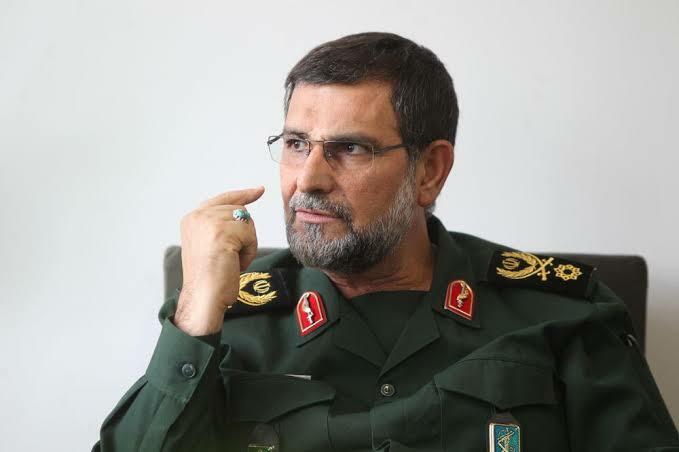
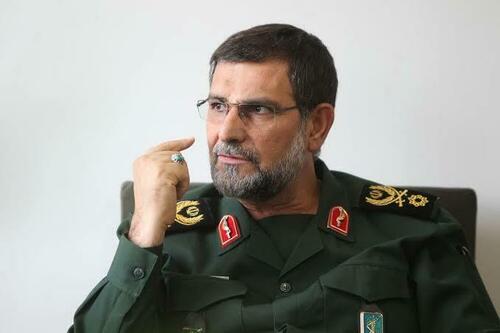
Amid reports of increasing traffic through the Strait of Hormuz, Alireza Tangsiri, a commander of the Islamic Revolutionary Guard Corps Navy, said on X that the containership Selen was turned back by the IRGC Navy for “failing to comply with legal protocols and lacking permission to transit the Strait of Hormuz.” Needless to say, that is an upgrade from firing missiles at it.
کشتی کانتینربر SELEN به دلیل عدم رعایت پروتکلهای قانونی و نداشتن مجوز عبور از #تنگه_هرمز، توسط نیروی دریایی سپاه به عقب بازگردانده شد.
عبور هرگونه شناور از این آبراهه مستلزم هماهنگی کامل با حاکمیت دریایی ایران است و این مهم جز به پشتوانه مردم شریف ایران به دست نمیآمد. pic.twitter.com/g6ei29Y90Q
— علیرضا تنگسیری (@alirezatangsiri) March 24, 2026
Tangsiri said passage through the waterway requires full coordination with Iran’s maritime authorities. His comments echo what he said a week ago when he told local media that has not yet closed the Strait of Hormuz and the vital waterway is “only being controlled.”
Tangsiri, who almost certainly is toward the top of the Pentagon’s most wanted list, warned a week ago after the Israeli attack on the South Pars gas field that “oil facilities associated with America are now on par with American bases and will come under fire with full force” and “warned citizens and workers to stay away from these facilities.”
While the reason why the Selen was turned back is unclrear, it probably is because the captain refused to pay the toll Iran has started charging on some commercial vessels passing through the Strait of Hormuz, in yet another sign of Tehran’s control over the world’s most important maritime energy channel.
Payments of as much as $2 million per voyage are being sought on an adhoc basis, effectively creating an informal toll on the waterway, according to Bloomberg. Some vessels have made the payment, though the mechanism wasn’t immediately clear – including the currency used – and it doesn’t appear to be systematic.
The payments show Iran’s influence over Hormuz, through which normally about a fifth of the world’s oil and gas, and vast amounts of food, metals and other materials are shipped every day. With the war in the Middle East now in its fourth week, it also highlights the desperate need for some consumers to ensure continued energy flows.
Bloomberg sources said the payments have been handled quietly. The lack of transparency and uncertainty over who might be targeted next is adding a fresh layer of friction to the shipping lane. Only a trickle of vessels have crossed the waterway since the war, many of them Iranian-linked. Some of the few others appear to have taken similar routes close to Iran’s coastline.
According to Lloyds List,. “at least two vessels transiting through the strait are understood to have paid in exchange for safe passage, with one fee reported to have been around $2 million.” As some quickly calculated, this actually is not that much if it means removing the Hormuz energy bottleneck: “$2 million on a VLCC carrying 2 million barrels = $1/barrel premium. Quite a bargain in this market. Expect more to follow suit.”
LloydsList: “At least two vessels transiting through the strait are understood to have paid in exchange for safe passage, with one fee reported to have been around $2m.”
$2 million on a VLCC carrying 2 million barrels = $1/barrel premium. Quite a bargain in this market.
Expect…
— Rosemary Kelanic (@RKelanic) March 23, 2026
Yesterday we reported that India, which got four vessels carrying liquefied petroleum gas to exit the Persian Gulf through Hormuz, said Tuesday that international laws guarantee the right of freedom for navigation through the strait and no one can levy any fee for use of the channel even though the four ships almost certainly paid the fee. Prime Minister Narendra Modi said that he discussed the Iran war on a call with President Donald Trump, including the conflict’s impact on the maritime corridor.
“Ensuring that the Strait of Hormuz remains open, secure and accessible is essential for the whole world,” Modi wrote in a social media post.
While Iran is demanding the transit fee on a case-by-case basis, the Islamic Republic has floated the idea of formalizing the charges as part of a broader postwar settlement, one person said. Last week, an Iranian lawmaker said that parliament was advancing a proposal to require nations to pay Iran for using the Strait of Hormuz as a secure shipping route.
For Arab producers in the Gulf, even an informal toll is unacceptable, people familiar said, as it raises the issues of sovereignty, precedent and the potential weaponization of a vital trade route for their energy exports. Saudi Arabia and the United Arab Emirates depend on the route to ship their oil to global markets, but are now relying on alternative pipelines bypassing Hormuz to get crude to their customers.
Tyler Durden
Tue, 03/24/2026 – 14:25