









“It’s Unbelievable”: Taxpayers’ Money Still Flowing To Indicted Fraud Suspect: Minnesota Lawmaker
Authored by Janice Hisle via The Epoch Times (emphasis ours),
A Minnesota lawmaker alleged on Dec. 17 that a man awaiting trial on federal charges that he laundered $1.1 million in taxpayer dollars and his wife continue to collect payments from other government programs, a state lawmaker said Dec. 17.
The Minnesota State Capitol in Saint Paul, Minn., on May 11, 2024. Madalina Vasiliu/The Epoch Times
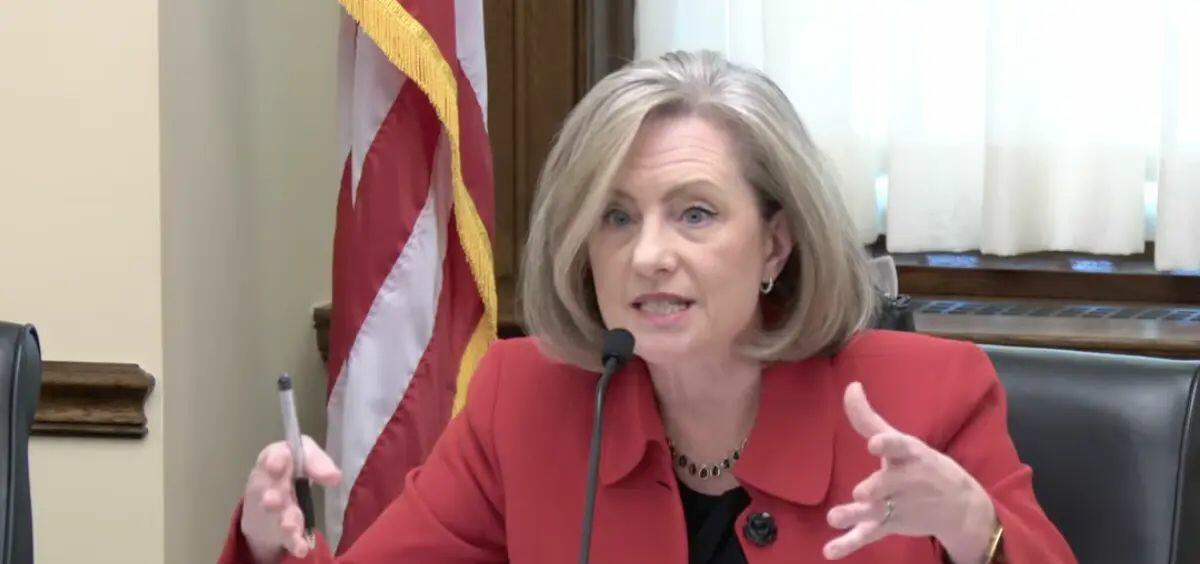
That’s concerning, state Rep. Kristin Robbins told the fraud-fighting committee that she chairs.
“This is just one example of how potential fraudulent activity is being allowed to continue in Minnesota,” she said during a hearing at the state Capitol in St. Paul, Minnesota. Later, she alleged on social media that the state government “continued to pay a fraudster who was indicted.”
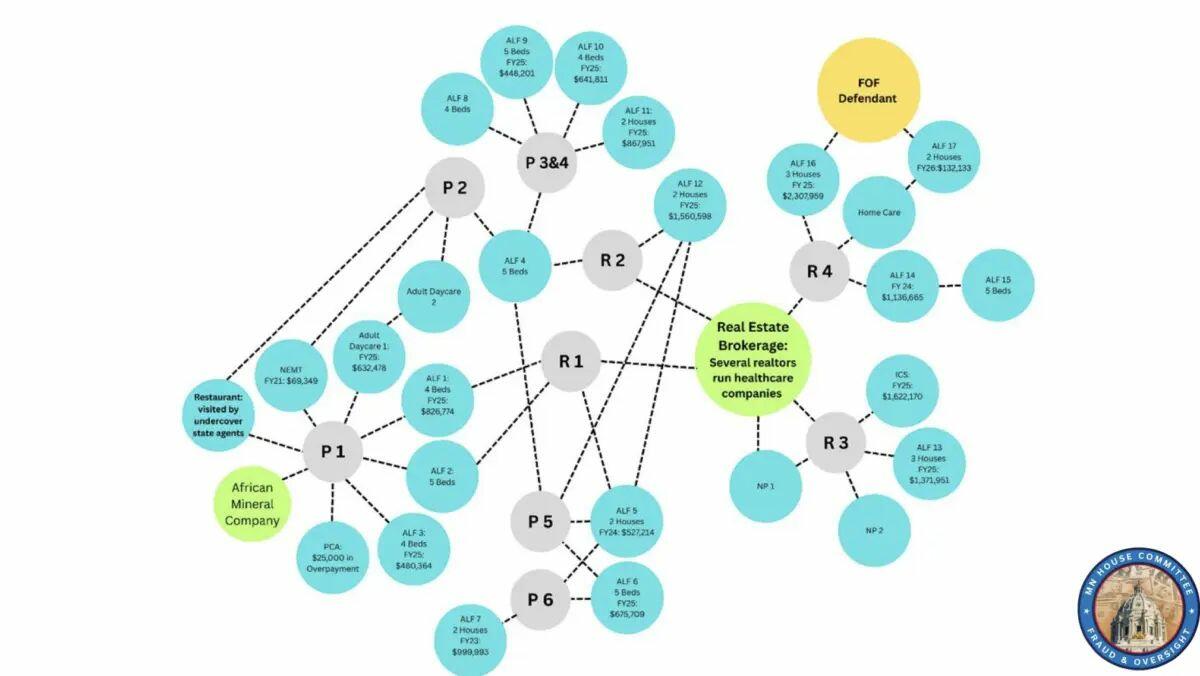
With the help of whistleblowers, a public-records researcher uncovered an intertwined web of people and entities allegedly tied to the man. Those connections are still receiving taxpayer dollars for assisted-living facilities and adult day services despite multiple “red flags” indicating possible fraud, Robbins said.
These revelations show that state agencies are failing to employ “the most basic checks and balances” to prevent and detect fraud despite state agencies promising reforms, Robbins told fellow members of the Fraud Prevention and State Agency Policy Committee.
The committee—five Republicans and three Democrats—has met regularly since February, trying to get a handle on the state’s burgeoning fraud scandals. In recent weeks, Minnesota fraud cases have drawn national attention and multiple federal investigations. The scandals mostly involve federal programs that state programs administer, with matching state contributions in some instances.
The defendant, whom Robbins dubbed Person One, allegedly received $49 million from state-run programs from 2019 to 2024 on top of the $1.1 million he is accused of laundering, she said.
He is among 78 people charged since 2022 in the Feeding Our Future (FOF) scandal. Fraudsters connected to that now-defunct nonprofit agency reaped a total of nearly $250 million from the Federal Child Nutrition Program after falsely claiming to provide 91 million meals to needy children.
Robbins alleged that Person One “changed his name months before he was indicted” for FOF, and used his new name to purchase two homes that are operating as an assisted-living facility that receives government money.
One of those homes, Robbins alleged, was bought under the same business name tied to alleged money laundering in the FOF case.
“It is unbelievable,” she said.
What’s more, Robbins said, the defendant’s wife “just recently purchased a fourth home” that will become part of an assisted-living facility that she operates—and for which she was granted a temporary license in September.
Homes that the accused man purchased or owned were still enrolled in state programs as recently as this October, Robbins said, noting that the wife has run the sites for two years after her husband’s FOF indictment.
One of the assisted-living facilities that Person One administers has four beds. “Despite this limited capacity,” the facility was paid $826,000 in 2024 and was “on pace to double that” this year, Robbins said.
“We need to be concerned about that,” she said, adding, “This home was purchased with cash, which is a red flag because there’s a lot of money laundering going on in these spaces.”
Minnesota law allows the state to stop government program payments based on “credible allegations of fraud,” Robbins said. “And, my friends, if someone has been indicted in Feeding Our Future, that’s a credible allegation of fraud, and they should not be getting state money for any other program.”
Robbins urged state agency leaders: “At a minimum, any business with ties to Feeding Our Future indictments should receive higher scrutiny,” especially if involved parties are also seeking money from other government programs.
“Any business owner should be checked to see if the owner has a history of other violations,” she said.
State agency officials who testified at the hearing included Dr. Brooke Cunningham, the state health commissioner. She testified about the “large and growing” assisted-living industry, acknowledging a “need for oversight.”
But Cunningham noted that health care professionals who are involved in licensing and on-site reviews do not process billing claims. Therefore, they would not be privy to financial matters.
However, Cunningham said those staffers do pass along any concerns they notice “to our partners who do handle the billing for those services and who do investigate any sort of criminal activity.”
James Clark, inspector general for the Department of Human Services, said the department is putting a two-year “pause” on licensing new adult day centers.
“We’re shifting staff … so that they can squarely focus on existing adult day businesses,” he said.
Thus, he said, they can be more vigilant for signs of fraud.
In addition, he said, “we are aggressively suspending payments” whenever investigators are seriously concerned about fraud.
“I am sick of Medicaid fraud. I want to shut off payments to any provider that is stealing from us,” Clark said, adding that he would welcome information from the committee.
Robbins replied that the committee has not shared whistleblowers’ disclosures with Clark’s office because “this fraud has been perpetuated on your watch,” and the whistleblowers insist on confidentiality. They report being “terrified,” Robbins said, because many of them allege they were subjected to retaliation or surveillance when they previously tried to sound alarms about fraud.
Committee members interviewed whistleblowers and relayed information to federal prosecutors, the FBI, and the Office of Legislative Auditor, all of whom have access to bank, health, and payment records that legislators cannot obtain, Robbins said.
Robbins also said the Department of Human Services so far has responded to only one of her recent requests for data; six such requests remain unfulfilled.
The Epoch Times sought a response from Clark’s office and received no reply prior to publication.
Tyler Durden
Thu, 12/18/2025 – 08:40