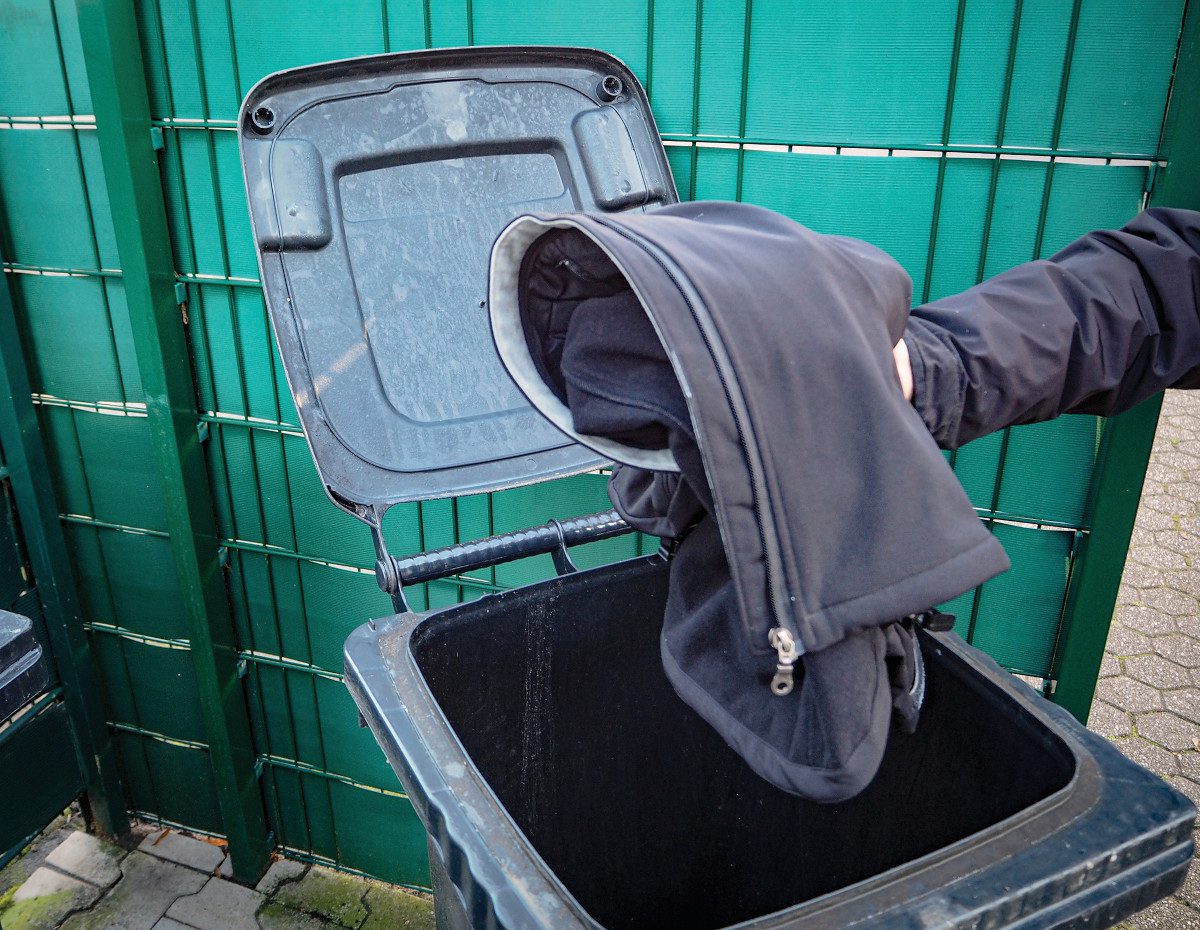





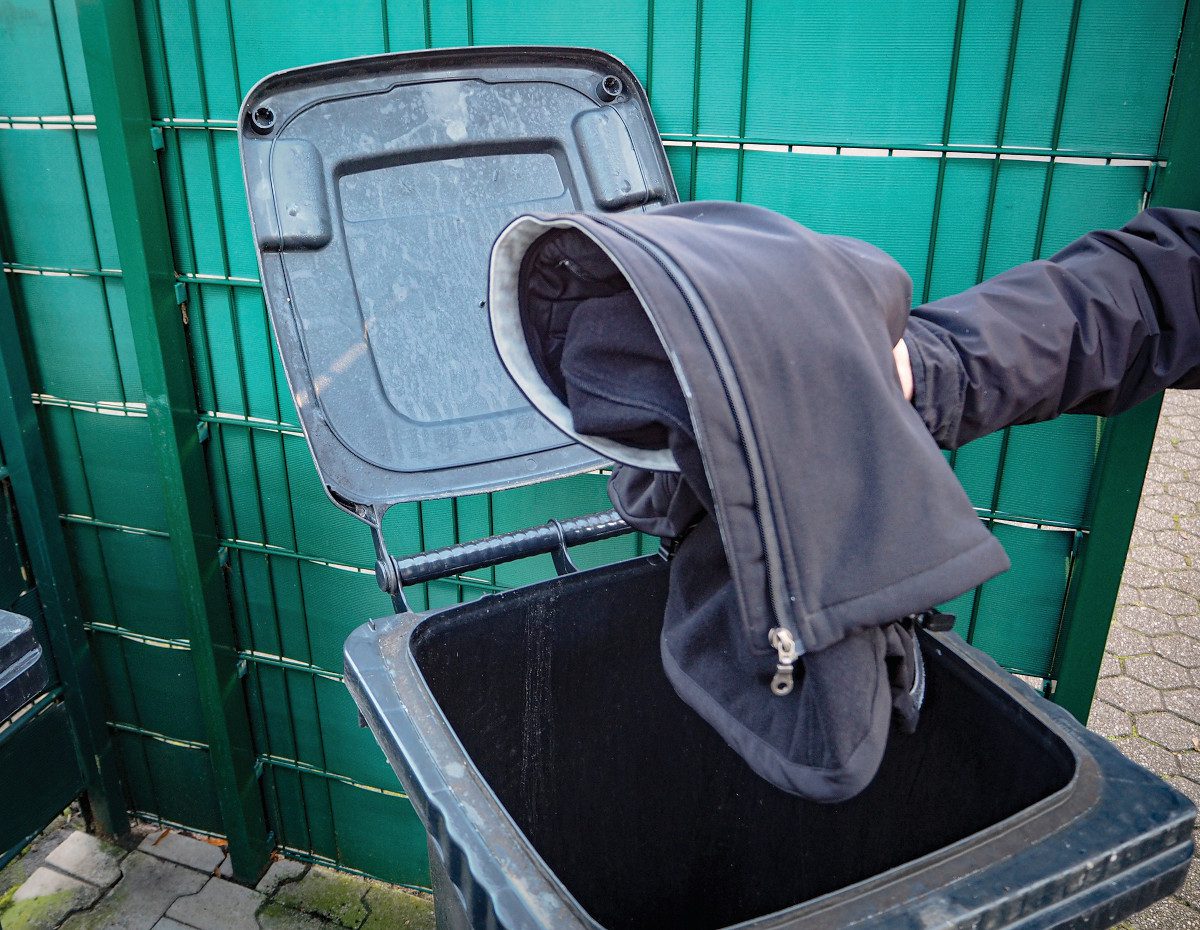
Clothing enters the residual waste stream (in Germany, in this case)
The European Commission has adopted new measures under the Ecodesign for Sustainable Products Regulation (ESPR) to prevent the destruction of unsold apparel, clothing, accessories and footwear. The rules will cut waste and environmental impact while levelling the playing field between brands and retailers already investing in circular business models and those that are not.
To reduce waste, the ESPR will require companies to disclose information on the unsold consumer products they discard and introduce a ban on the destruction of unsold apparel, clothing accessories and footwear, with limited, clearly defined derogations. Large companies will have to comply with the ban from 19 July 2026, with medium‑sized companies expected to follow in 2030, making it essential for brands and retailers to review their inventory, returns, and clearance strategies now.
Commenting, Aimee Campanella, Development Director, Textiles EPR at Reconomy, said: “This is another important step in tackling the low levels of circularity in textiles, the soaring volumes of waste generated, and the sector’s significant contribution to carbon emissions. Every year in Europe, an estimated 4 to 9 percent of unsold textiles are destroyed before ever being worn, generating millions of tonnes of avoidable carbon emissions. At the same time, around 12 kilograms of clothing per person is discarded each year in the EU, even as overall clothing and footwear consumption continues to rise.”
“For brands and retailers, these rules are a clear signal that linear take-make-dispose models are being phased out. Circular solutions can be challenging to implement in practice, but this ban, combined with Extended Producer Responsibility for textiles, which makes producers responsible for the full lifecycle of their products, will push the market towards better design, better data and better end-of-life management. Those that move early on resale, reuse, repair and high-quality recycling will be better placed to manage compliance risk and protect brand reputation in a more circular textiles sector.”