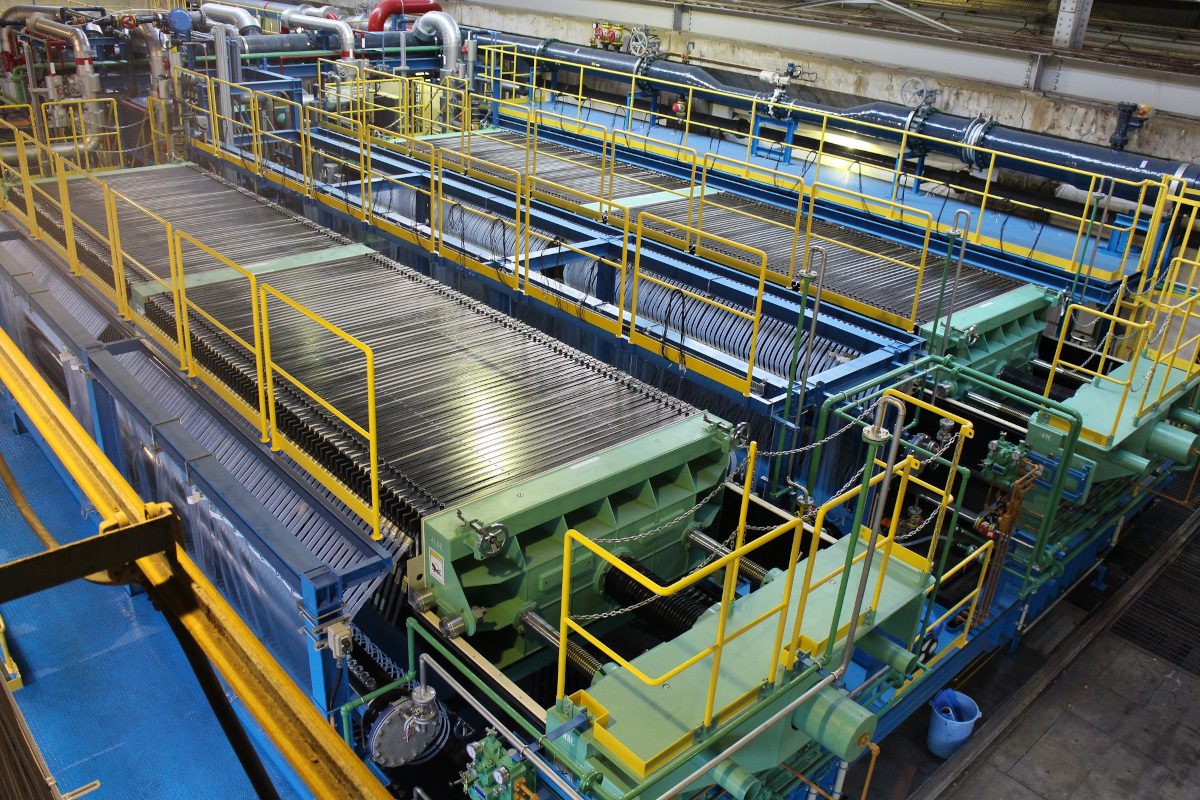







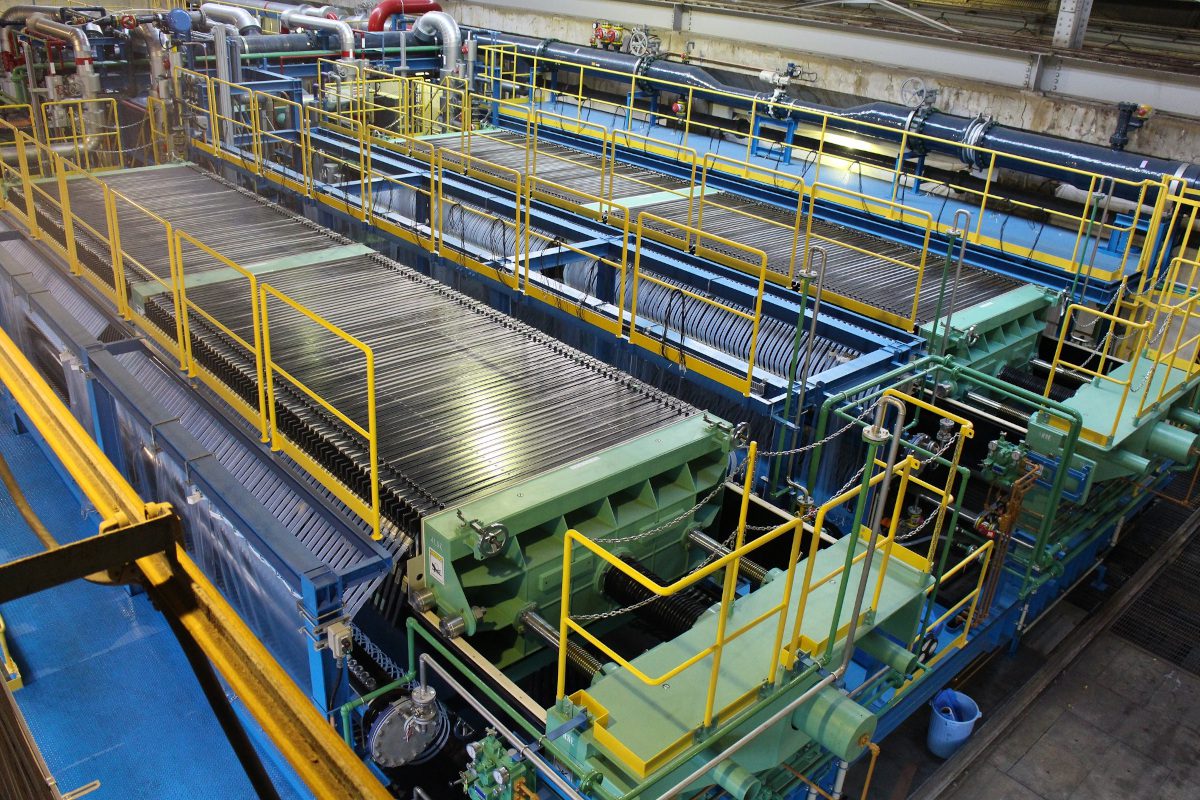
Ion-exchange membrane process for chlor-alkali electrolysis.
A new recycling initiative aims to convert pure titanium scrap generated during the manufacturing of electrolysis cells into a raw material for pure titanium. The approach is designed to reduce the environmental impact of cell production and enhance the value of recovered materials. It has been launched by Asahi Kasei, Nippon Steel, and Nippon Steel Trading.
The chlor-alkali electrolysis industry produces caustic soda and chlorine. Asahi Kasei manufactures and supplies electrolyzer cells, ion-exchange membranes, electrodes, and operational expertise for electrolysis plants. Electrolyzers apply an electric current to split concentrated saltwater (brine) into chlorine, hydrogen, and caustic soda, which are then used in a wide variety of chemical products. For the anode side of electrolysis cells, pure titanium is used to protect the cell from the corrosive chlorine. This metal requires very high purity to achieve excellent corrosion resistance and processability. Therefore, when using pure titanium scrap as raw material for remelting, extremely stringent quality control and pre-treatment methods are required to prevent contamination with impurities.
To reutilize valuable pure titanium scrap and close the loop with the material value chain, Asahi Kasei has entered into a collaboration with Nippon Steel, the company’s supplier of pure titanium for electrolysis cells, and Nippon Steel Trading. This joint initiative will remelt the scrap generated during the cell production at Asahi Kasei’s site in Nobeoka, Japan, and use it to produce new pure titanium. To prevent contamination of the pure titanium scrap, Asahi Kasei strictly controls the entire process while maintaining traceability at its production site through digital tools. The material is collected by Nippon Steel Trading and processed into a state suitable for use as raw material in the remelting process. Subsequently, a portion of the sorted and processed scrap is returned to Nippon Steel for use as raw material in its pure titanium remelting process.
“The establishment of a system to circulate precious resources represents each company’s shared sustainability perspective and ongoing partnership,” commented Yoshifumi Kado, Senior General Manager of Asahi Kasei’s Ion Exchange Membrane & Electrolysis System Division. “This is another valuable initiative contributing to enhanced sustainability across the entire chlor-alkali industry.” Moving forward, the partners will further strengthen their cooperation to increase the recycling rate of pure titanium. By linking this initiative with ongoing projects such as the closed-loop recycling of precious metals announced in April 2025 announced in April 2025, Asahi Kasei is advancing the recycling of other metals used in chlor-alkali electrolysis cells.
Ken Terai, Executive Counselor, General Manager, Head of Unit, Titanium Unit at Nippon Steel, stated, “This initiative was realized by combining Nippon Steel’s development of industrial-grade pure titanium remelting technology in its electron beam melting furnace with Asahi Kasei’s long-established management system for titanium scrap within its manufacturing process.”
Manabu Akimoto, Executive Officer of Nippon Steel Trading, added, “This collaboration marks a significant step towards realizing a decarbonized and circular society by undertaking the recovery, processing, and supply of pure titanium scrap. Moving forward, we will continue to leverage our accumulated experience and track record in distribution and trading to ensure the smooth operation of this initiative and maximize its added value.”