








Greg Rankin is CEO of water safety expert Hydrosense.
When news of a major Legionella outbreak in Harlem emerged last year, it followed an all-too-familiar script: serious illness, scrutiny of building water systems and practices, and inevitable questions about whether it could have been prevented. As New York grapples with yet another Legionella incident, Greg Rankin of Hydrosense examines the systemic drivers behind the rapid rise in Legionella cases and explains why the same conditions are, most likely, already in place across UK cities.
In August last year, New York faced one of its largest outbreaks of Legionnaires’ disease ever seen. More than 100 individuals were hospitalised, and several lives were lost. Following an investigation, the outbreak was traced to contaminated water in 12 cooling towers across 10 buildings – an infrastructure-wide failure that allowed Legionella bacteria to become aerosolised and spread rapidly across the Harlem and Bronx communities.
Though the media attention surrounding the outbreak has subsided, it is clear that this event is far from an anomaly. In fact, a little over a month into 2026 and Legionella was detected in the hot water system of one of Harlem’s largest apartment blocks, after two residents were diagnosed with Legionnaires’ disease within a 12-month period. Take a closer look at the New York State Department of Health’s incidence data, and the picture emerging becomes even more concerning. Even in years that appear stable, the reality is that the city’s Legionellosis rate has been much higher than the overall US average for years.
Legionella bacteria.
Why, you may ask, is this relevant for the UK? Put bluntly, this is not just a New York problem. Legionella rates, globally, are rising at an alarming rate, largely attributed to our warming world and increasingly complex water systems. In the UK alone, it’s now estimated that nearly ten new cases of Legionnaires’ disease are reported every week.1 Thus what happened in New York could just as easily happen in London, Manchester, Birmingham or any other major UK city. The risk factors are already there and in many cases, they’re getting worse. This raises all sorts of public health questions for urban environments – namely, how can modern cities with ageing infrastructure and facing rising temperatures address this growing risk within their built environments?
Hiding in plain sight: why large cities are especially vulnerable
To answer this, it’s important to first consider the complex nature of Legionella bacteria. Unlike illnesses that spread directly from person to person, Legionnaires’ disease – a serious form of pneumonia caused by inhaling water droplets containing Legionella – can be spread from water systems and devices to people. The bacteria thrive in warm, stagnant water, especially in systems where temperature control, flow and disinfection are inconsistent.
Several factors may help explain the recent surge in cases of Legionnaires’ disease, particularly amongst our urban environments.
Climate change, of course, continues to alter our environmental conditions. What many people may not realise though are that these changes, such as rising temperatures, longer warm seasons and shifting rainfall patterns, are creating more favourable conditions in which Legionella can survive and multiply within building water systems.
Urban environments in particular present a perfect storm for this type of bacteria to flourish. Foremost, dense populations mean a higher number of large buildings with complex water systems. From high-rise buildings, hospitals, hotels and offices, through to transport hubs, the result is an incredible myriad of intricate plumbing networks that are difficult to fully understand, let alone control. Many of those buildings are also ageing, with legacy plumbing systems that lack modern design features, such as efficient temperature control and disinfection mechanisms, that help prevent bacterial growth.
At the same time, cities rely heavily on cooling towers and air conditioning systems, particularly as temperatures rise. These systems, if poorly monitored or maintained, can disperse contaminated aerosols over wide areas.
Usage patterns also play a role. Changes in occupancy, hybrid working and seasonal shutdowns can all lead to water stagnation, a key contributor to Legionella growth. Even buildings that are technically ‘in use’ may experience low flow in parts of their systems, creating pockets of risk that routine checks fail to capture.
Research also shows a strong correlation between Legionnaires’ disease and social deprivation, with those in the highest poverty areas 2.5 times more likely to contract the illness than those in wealthier communities.2 This turns Legionella from not only a medical concern but a pressing equity issue too.
Yet despite its upward trajectory, the legislative landscape around Legionella has remained largely unchanged, even as building systems become more demanding to oversee.
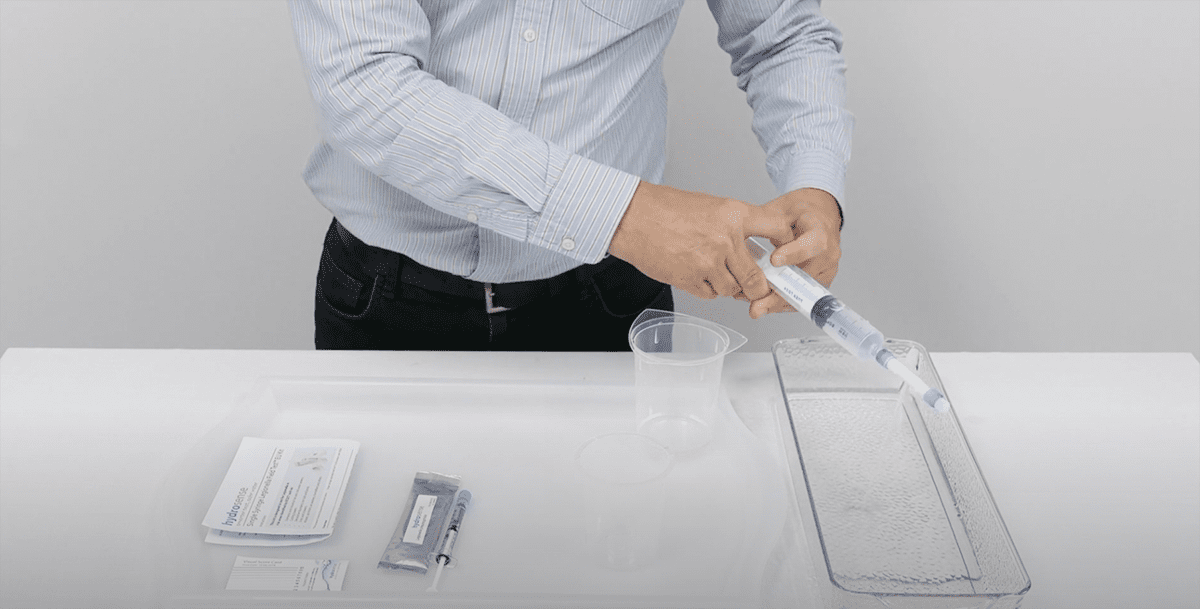
Testing regimes should support near-real-time alerts of contamination.
Best practice must go beyond basic compliance
The UK has long been regarded as having a robust regulatory framework for Legionella control, centred on Approved Code of Practice L8 and guidance such as HSG274. These set clear responsibilities for duty holders and have undoubtedly raised standards over time.
Yet despite these frameworks, in our experience, meeting the minimum standard does not guarantee safety, particularly as conditions evolve. For example, many organisations still rely on periodic testing and manual monitoring. While these measures are able to provide snapshots of system performance, the reality is that they often fail to capture rapid changes in water quality or temperature, leaving hidden risks unaddressed. As recent outbreaks in New York have shown, this ‘tick-box’ approach does not automatically ensure control and all too often, contamination is only identified once it is too late.
Reactive strategies are consistently too slow too. Most operators still rely on traditional lab-culture Legionella testing which, while important, often provides only a snapshot of the system at a single point in time. Bacteria can proliferate between tests and results can take up to 10 days to return, delaying corrective action. Yet Legionella can double in a day. Water samples can also be damaged during transport, risking false negatives, and lab culture testing cannot detect Viable but Non-Culturable (VBNC) Legionella, which can remain dangerous and even infect human cells while dormant.
It’s also important to remember that waiting for elevated bacterial counts or illness before acting almost guarantees harm. Similarly, over-reliance on disinfection alone may address immediate contamination but does little to fix underlying system weaknesses, such as dead legs, poor circulation or temperature fluctuations where Legionella thrives. In this way, in complex urban buildings, the reality is that without understanding how water actually moves, organisations are always one step behind.
Proactive prevention
The good news is adequately controlling Legionella risk can be made manageable through a combination of real-time detection and proactive water system management.
First, proactive prevention is critical. Facilities should advocate for and implement robust maintenance schedules that include regular flushing, disinfection and temperature checks. Safety teams and duty holders should combine active temperature management and more advanced, rapid testing Legionella testing regimes to ensure real-time alerts for contamination, allowing immediate intervention before bacteria proliferate. Not only does using this approach minimise potential exposure, but it also offers additional information during necessary reviews of risk assessment, and provides peace of mind for occupants.
Training and awareness are also key. As Legionella risk evolves, those building operators and their teams who stay up to date with the latest guidance, testing innovations and real-world risk factors will be far better equipped to identify vulnerabilities long before they escalate. Regular training ensures they understand how Legionella behaves, where it hides, and how system design, temperature control and maintenance practices influence bacterial growth.
Legionella learnings
If the recent New York outbreak has taught us anything, it’s how quickly Legionella risk can escalate when vigilance slips – especially in dense urban environments. And this is far from a one-off problem. In all major cities across the world, Legionella is on a clear ascent thanks to rising temperatures, complex water networks and changing patterns of building use, meaning it requires increased monitoring and management. For urban authorities, building operators and facilities managers, this means placing renewed focus on the innovative practices and technologies, many of which go beyond even compliance, which can help to prevent outbreaks and better protect the communities they serve.
• For information visit: https://hydrosense-legionella.com/