





New York’s Medicaid Program Under Federal Investigation For Alleged Fraud
Authored by Sylvia Xu via The Epoch Times (emphasis ours),
Dr. Mehmet Oz launched a federal investigation into New York’s Medicaid program on March 3, citing the unusual spending trend in the state.
“Heart surgeons are trained to look at the numbers. When something doesn’t add up, you don’t ignore it; you investigate,” Oz, administrator of the Centers for Medicare and Medicaid Services and a former heart surgeon, said in a video posted on X.
“Right now, the numbers coming out of New York’s Medicaid program don’t add up,” he said.
New York far outspends other states on its Medicaid program, both on a statewide and per beneficiary basis, according to Oz’s letter to New York Gov. Kathy Hochul.
Numbers
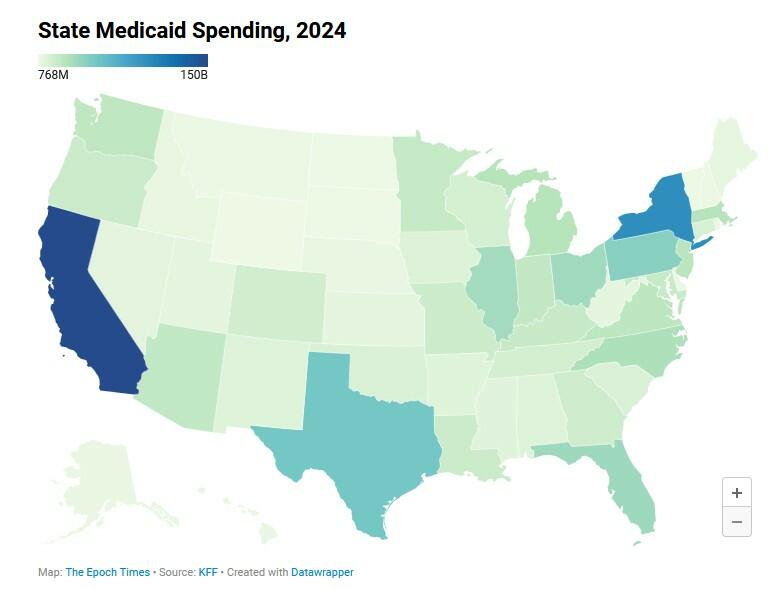
New York’s Medicaid program spends more than $90 billion a year, the second-highest total in the nation, Oz said. That’s roughly 10 percent of the nation’s $900 billion in Medicaid spending for 2024.
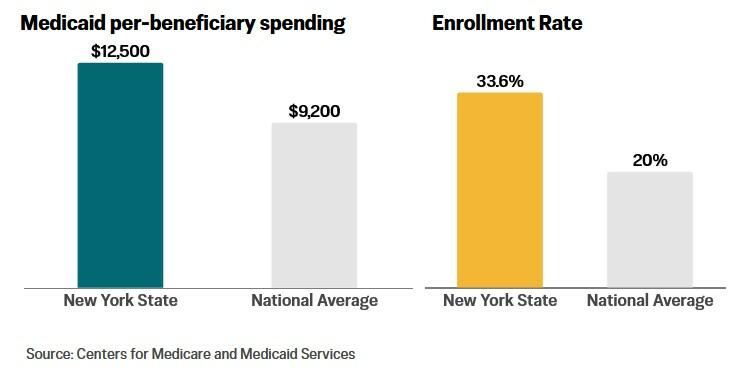
New York’s average spending on each beneficiary is more than $12,500, which is 36 percent higher than the national average. The state’s per-resident spending is the highest in the country, nearly 80 percent higher than the national average.
As of January, about one-third of New Yorkers—6.7 million individuals—have enrolled in Medicaid.
That is nearly 14 percentage points higher than the national average of 20 percent Medicaid enrollment, according to November data from the federal government.
“That alone demands scrutiny, but it gets worse,” Oz said in the video.
In addition to New York’s Medicaid enrollment size, Oz cited the workforce delivering long-term care, particularly home-based personal care services, as another driver of New York’s high Medicaid spending.
Between 2023 and 2024, 38 percent of job growth in New York was from the home health and personal care aide category.
“Now, New York has turned this [Medicaid] program to help our most vulnerable into a massive jobs program reimbursed by federal taxpayers,” Oz said.
Personal care services include daily living assistance such as eating, bathing, and dressing. Patients need such services due to aging, chronic illness, or disability.
From 2023 through mid-2025, New York state provided personal care services for nearly 75 percent of its Medicaid enrollees at a cost of $45 billion.
In fiscal year 2024, the state’s Medicaid spending on personal care services was $18.5 billion, nearly 70 percent more than other states’ combined spending on this item, according to The Epoch Times’ analysis of open data from the U.S. Department of Health and Human Services.
“That level of utilization is unheard of,” said Oz.
New York state allowed problems such as being “easily distracted” to qualify for a personal care system, making personal care services the number one occupation in the state, Oz said.
Demand for Documentation
He said officials must send documents on how they handle fraud, waste, and abuse, or their federal payments will be put on hold.
“We ask hard questions; we expect an honest answer,” Oz said.
On March 4, Gov. Hochul said the Trump administration was targeting New York for political reasons. She added that she would “show them the facts” to prove them wrong and promised to help fight any actual fraud, according to The Associated Press.
The federal government temporarily deferred $259 million in Medicaid payments to Minnesota over alleged fraud on Feb. 25.
Oz said the money would be released after Minnesota proposes and acts on a “comprehensive corrective action plan to solve the problem.”
Minnesota sued the federal government on March 2 to stop it from withholding funding. The state warned that freezing these funds could force cuts to medical care for low-income residents.
Tyler Durden
Mon, 03/09/2026 – 11:25