









Pentagon Seeks Stunning 243x Budget Surge For Drone Warfare Unit As Eurasian Wars Reshape Combat
Buried in the Department of War’s Fiscal Year 2027 procurement request is a massive increase for the Defense Autonomous Warfare Group (DAWG), a clear acknowledgment that ongoing conflicts across Eurasia have underscored one hard lesson: cheap kamikaze drones can impose outsized costs on traditional militaries. The substantial surge in the budget request also signals growing urgency within the DoW to field these drones at scale.
The defense and aerospace news publication Inside Defense was the first to report on the DoW’s massive budget request for the autonomous drone warfare group. The budget would skyrocket from $225 million this year to potentially $54.6 billion next year:
The Pentagon’s fiscal year 2027 budget request seeks a massive expansion of the Defense Autonomous Warfare Group, setting a $54.6 billion budget for the relatively obscure team — a jaw-dropping increase over the $225 million the effort received in FY-26, signaling a major emphasis on autonomous drones across the military services.
The dramatic surge in requested funding represents one of the most substantial allocations outside the traditional service accounts, reflecting the Pentagon’s broader commitment to autonomous warfare capabilities, which have….
Details surrounding DAWG appear to center on scaling autonomous warfare capabilities, especially drones and related systems, though the effort remains little known publicly.
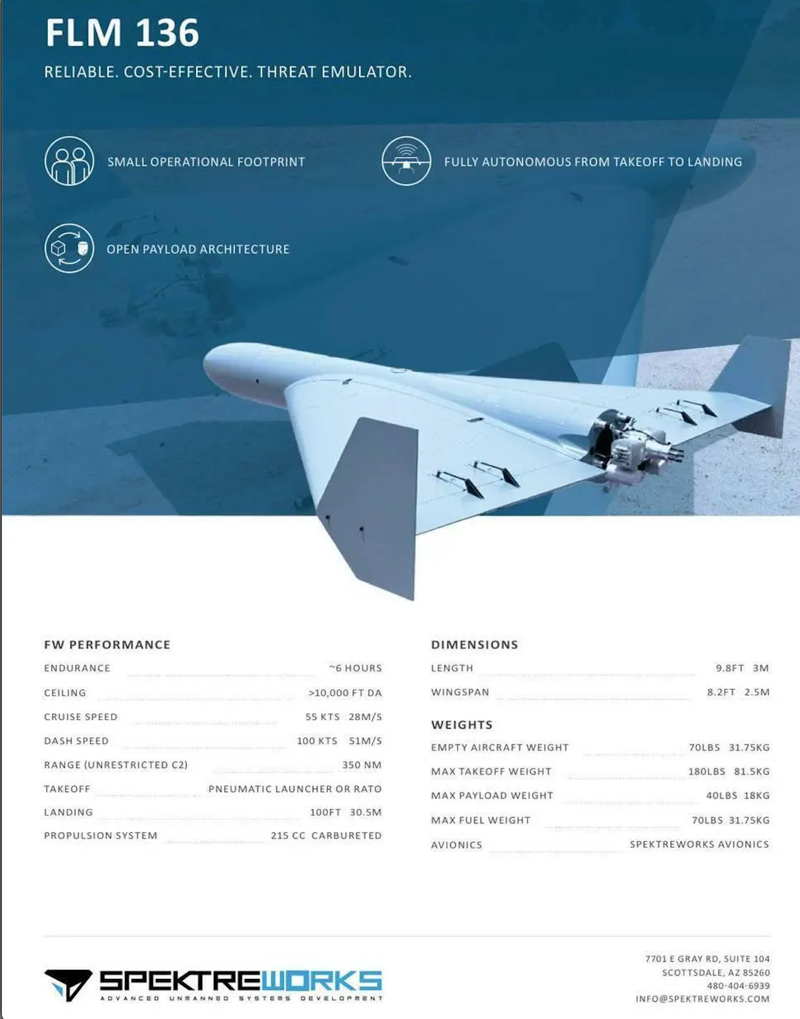
Another picture of a Starlink mounted on a Low-Cost Unmanned Combat Attack System (LUCAS) drone https://t.co/SDVp4gZjCK pic.twitter.com/LyxwcL5fso
— Robin (@xdNiBoR) December 4, 2025
Related:
US Launched Kamikaze Drones Against Iran, Reflecting Lessons Learned From Ukraine
The sheer size of the request – a 243-fold increase – signals a much broader, military-wide push in the coming years to institutionalize autonomous weapons. This comes amid lessons learned not only from the Russia-Ukraine war, but also from the current US-Iran conflict, where inexpensive one-way Iranian attack drones have wreaked havoc on US military bases, Gulf energy assets, and civilian infrastructure such as data centers and water desalination plants.
We also suspect there will be a major push to develop and field low-cost interceptor solutions to counter these inexpensive drones, rather than relying on multimillion-dollar missiles. We have already highlighted this theme here.
Tyler Durden
Thu, 04/09/2026 – 19:40