




Poison Ivey: Chicago Bulls Release Forward After He Speaks Out Against Pride Month
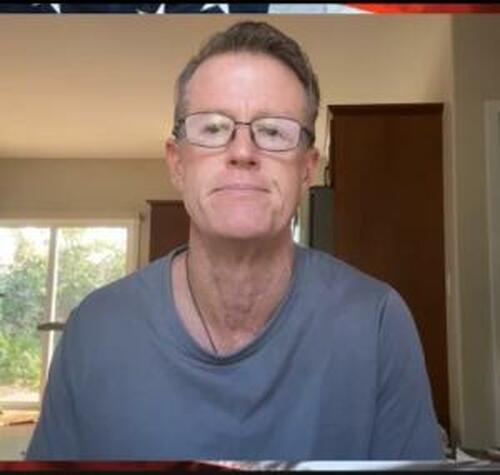
This week, the Chicago Bulls waived guard Jaden Ivey for “conduct detrimental to the team.”
No, Ivey did not assault anyone or gamble on games.
He did not call for violence.
Ivey expressed his opposing religious beliefs, including criticizing the NBA’s Pride Month celebrations.
There is no question that private companies have the right to control employees’ on-the-job speech, including barring demonstrations such as kneeling during the national anthem. However, the Ivey controversy exposes the hypocrisy of sports associations and teams in the combination of corporate virtue signaling and athlete speech limitations.
Companies in various fields have asserted the right to condition contracts on the possibility of termination due to public behavior or comments that are detrimental to the company.
Notably, this was a player speaking off the basketball court who was deemed “detrimental” to the brand. The main concern is the lack of consistency. Actors such as Rachel Zegler have tanked their own movies to use their platforms to advance their own political viewpoints. Likewise, athletes have routinely espoused controversial views on racial divisions or law enforcement without losing their contracts. Recently, teams supported athletes espousing anti-ICE sentiments. In other words, it is not advocacy but the cause that these companies focus on when allowing or punishing speech.
At the same time, the NFL and NBA require players to wear and espouse views that some of them — like some in the nation — may oppose. Ivey was objecting that he does not feel that Pride Month is espousing “righteous” lifestyles. Ivey was not attacking the Bulls or the game. He was asserting that he does not support the virtues or values being endorsed by the company.
Many of us were offended by social media postings by Ivey in referring to Catholicism as a “false religion.” He also drew the ire of many by telling a fan that “God does not hear your prayer if you are a sinner.”
However, it appears that it was his criticism of the LGBTQ community and Pride Month that ended the matter with the NBA. Ivey objected to the advocacy required by the NBA, objecting “they proclaim it. They show it to the world. They say, ‘Come join us for Pride Month,’ to celebrate unrighteousness.”
The issue of “talent” becoming notorious has long been a focus of sports and entertainment contracts. Hateful or divisive public comments can impact a brand or corporate image. For example, a team does not have to continue an association with a racist spewing hateful remarks about fans.
The Ivey controversy should force a discussion of the countervailing responsibilities of the teams and the NBA. Some of us have previously criticized the virtue-signaling of associations like the NFL, with giant statements in the end zones and on players’ helmets. Many fans would like these teams to stop lecturing them and simply play sports. We do not need morality or civics lessons from the likes of NFL Commissioner Roger Goodell.
However, if the NFL and NBA are going to get into the business of shaping fans’ values, they may need to accept greater leeway for athletes who hold opposing values. Instead, they are expecting athletes like Ivey to effectively endorse approved values while barring them from expressing dissenting views.
This is not the first such controversy. Years ago, former coach Tony Dungy was the subject of a cancel campaign because he expressed his faith at a pro-life rally.
Former Washington Commanders defensive coordinator Jack Del Rio was punished for expressing a dissenting view of what happened on January 6th and what he viewed as the different treatment given to these cases, including excessive sentences.
Likewise, recently, Chicago Cubs player Matt Shaw was the target of a campaign to trade him after he attended the funeral of Charlie Kirk.
Sports organizations, like other businesses, have every right to bar protests and political statements at games. They should, however, apply the same standard to themselves. It is time to get virtue signaling and social statements out of sports. Teams need to stop picking sides on social and political issues while blocking opposing views from their athletes. Once out of the business of shaping public values and views, these teams will be in a better position to demand that athletes avoid controversial public statements that alienate fans or harm a brand.
Otherwise, teams could simply bar such commentary during games and allow athletes the same freedom of expression outside of the game that the teams enjoy during games.
None of this means that Jaden Ivey is right or admirable in his specific statements. It only means that, if teams want him to just play basketball, they should do the same.
Jonathan Turley is a law professor and the best-selling author of “Rage and the Republic: The Unfinished Story of the American Revolution.”
Tyler Durden
Fri, 04/03/2026 – 11:30