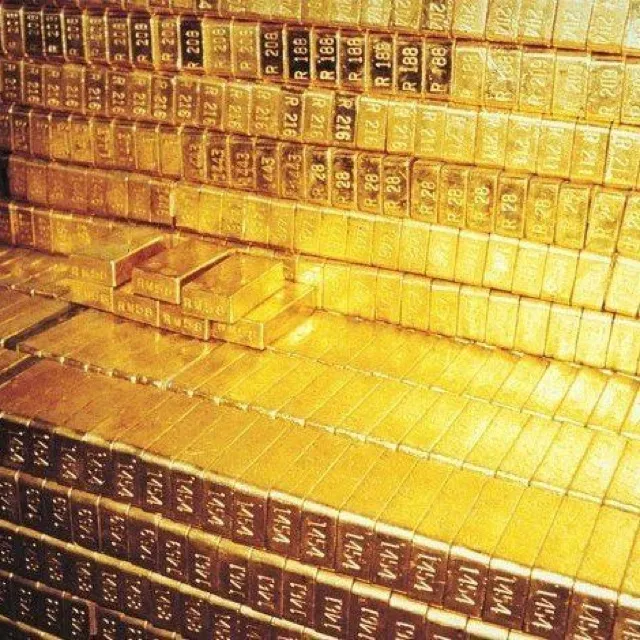








Poland represents a critical development in the evolving role of gold because it illustrates how quickly central bank strategy can shift from accumulation to utilization when geopolitical pressures intensify. Over recent years, Poland has been one of the most aggressive buyers of gold, adding more than 80 tonnes and increasing its total reserves to approximately 570 tonnes, positioning itself as a major holder within Europe as it sought to strengthen its financial security amid rising regional tensions.
Now, however, discussions have emerged about using gold profits to support defense spending, with the central bank governor suggesting that unrealized gains on gold, estimated at around 197 billion zloty or roughly $53.7 billion, could be tapped to finance military expenditures. There have also been proposals to monetize gold reserves in a way that could generate up to $13 billion, potentially through partial sales or financial instruments, with the option to rebuild reserves later.
This shift highlights a fundamental reality about gold that is often overlooked, which is that it is not simply a passive store of value but an active strategic asset that can be deployed when needed. Poland accumulated gold as a hedge against systemic risk, and now it is considering using that hedge as a financial resource in response to escalating security concerns.
Nations often build gold reserves during periods of relative stability and then draw upon them during times of crisis, whether for war financing or economic stabilization. Poland’s position underscores the broader theme that gold is not separate from the financial system but deeply embedded within it as a final layer of security that becomes increasingly important as geopolitical and economic pressures mount.