





Rise Of “War Unicorns” As Big Defense Primes Face An “Adapt Or Die” Moment
“Rebuilding our military and reestablishing credible deterrence demands the Department of War (DoW) put our Acquisition System and Enterprise on a wartime footing and dramatically accelerate the fielding of new technology and advanced capabilities to maintain the military superiority of our Armed Forces,” Secretary of War Pete Hegseth announced in his November acquisition reform package.
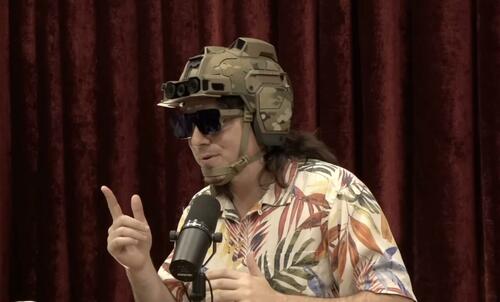
Translation: The DoW under Pete Hegseth and the rest of the procurement process is moving away from bloated legacy defense primes toward defense tech startups, creating the next boom that is already underway, giving rise to “war unicorns” like Palmer Luckey’s Anduril Industries.
Adding further color to the DoW’s procurement process reset is a conversation Army Secretary Dan Driscoll had with Bloomberg earlier this week.
Driscoll said that major US defense contractors must adapt to a revamped DoW procurement process or risk being displaced by firms that have historically stayed outside defense contracting.
“They have got to adapt and change or die, and we will hold them publicly accountable if they don’t,” Driscoll said, adding, “It does not mean we don’t need them today, but it does mean we might not need them tomorrow.”
The Army’s new direction is for companies outside the defense world – and even startups – that can deliver products on time and under budget that have more commercial off-the-shelf components and platforms, reducing reliance onspecialized systems that lock the military into a narrow supplier base.
Driscoll cites Ukraine as an example of companies retooling production lines for war and using off-the-shelf components to innovate war tech.
Defense news website 19fortyfive recently outlined that capital investment in defense tech startups surged 200% in the first year of President Trump’s second term. That number is expected to go even more parabolic this year.
Here’s more from the outlet:
The capital flow has inspired a new term: “war unicorns.” In the finance world, a “unicorn” is a privately held company that is valued at $1 billion or more. A “war unicorn” is an American company with a significant share of defense business. “These billion-dollar beasts are rewriting the rules of modern warfare, blending Silicon Valley speed and tech with battlefield grit,” wrote Pete Modigliani and Matt Macgregor in their Substack piece listing 22 of Silicon Valley’s top national security companies.
The task for Deputy Secretary of Defense Stephen Feinberg and his team is to set the path for unicorns to thrive as workhorses, delivering capability year after year while continuing to innovate.
The shift away from big defense primes in the DoW’s procurement process comes as the war in Ukraine has given military planners and strategists an uncomfortable preview of what conflict in the 2030s could look like. It’s not just about expensive stealth jets and bombers and big fancy missiles and cannons. It’s about ground robots, drones, and consumer-grade products that can easily be weaponized.
Now, big defense primes and anyone else who can read the tea leaves will be in a race to find Anduril-like defense startups.
Tyler Durden
Fri, 02/13/2026 – 05:45