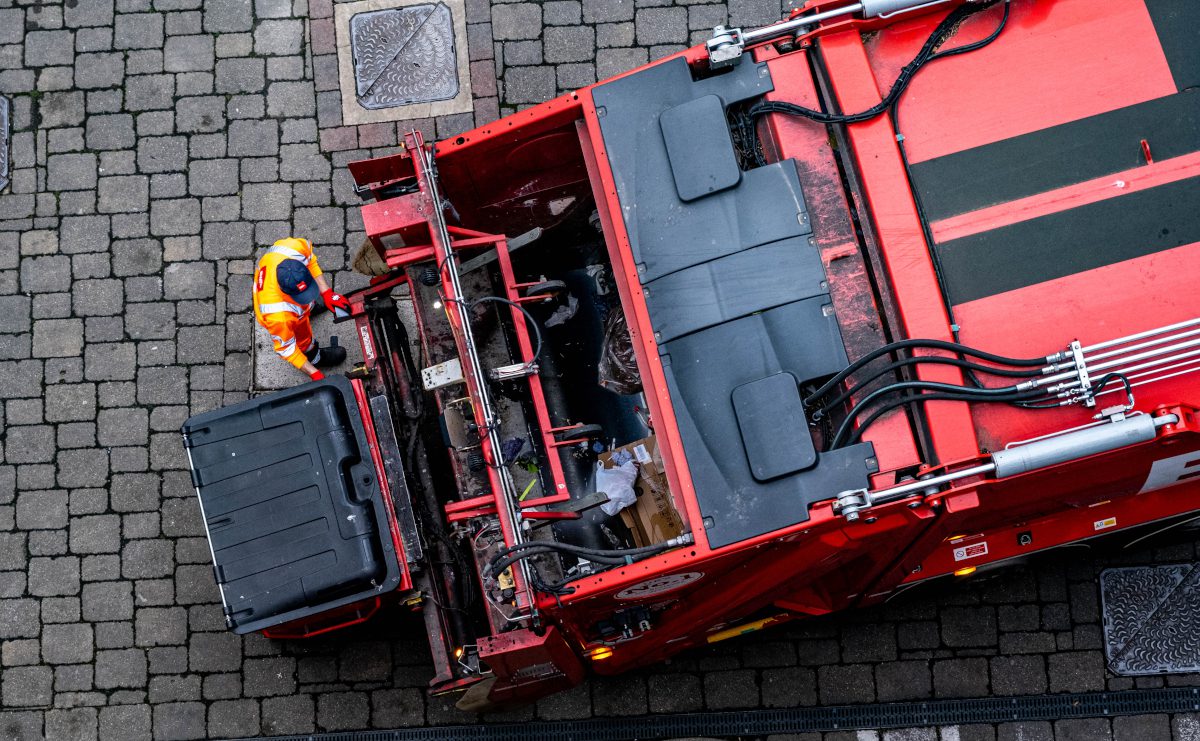

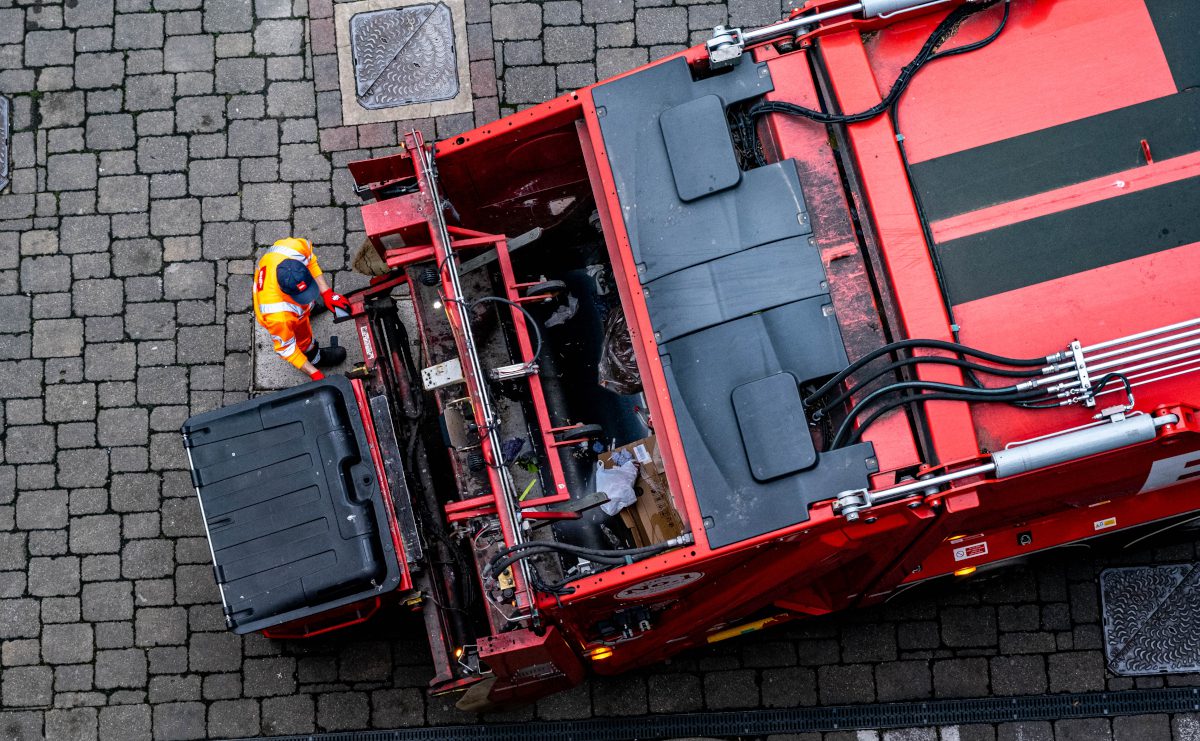



The UK will still be generating over 17 million tonnes of unrecyclable waste by 2042, even under best-case recycling scenarios, says the UK government (image credit: Richard M Lee / Shutterstock.com)
Britain ranks among the better performers on waste management compared with other advanced economies, but — like its peers — will still face substantial volumes of unrecyclable material for the foreseeable future, according to a new report. The document examines how this unavoidable residual waste should be handled, highlighting what it describes as a key system-balancing role for energy-from-waste in recovering value from material.
Produced by environmental action NGO WRAP and commissioned by energy-from-waste operator enfinium, the report finds that even the most effective circular economies inevitably generate unrecyclable materials due to physical limits, imperfect sorting, and technical constraints in recycling processes. Absolute “zero waste” systems are therefore unrealistic, it concludes.
Instead, the authors argue, the real policy challenge is not eliminating residual waste, but managing it in ways that minimise harm while recovering value.
The UK government forecasts over 17 million tonnes of unrecyclable waste by 2042, even under best case recycling scenarios. However, international comparisons show the country performs better than the OECD average on key indicators including recycling, landfill diversion, and energy recovery.
But it still faces clear gaps. Municipal waste generation remains substantial, recycling rates must rise to meet statutory targets, and the country still sends a significant share of waste to landfill.
Among comparator countries examined — including Japan, the Netherlands, Norway and Portugal — none achieved a fully circular system.
• The Netherlands comes closest, thanks to strict landfill bans and comprehensive policy frameworks.
• Norway relies heavily on energy-from-waste to avoid landfill but generates large volumes of waste.
• Japan produces relatively little waste per capita but recycles less than expected.
• Portugal struggles with high landfill rates despite strong policy ambitions.
As the report explains, well-managed EfW facilities recover value from unrecyclable waste by generating electricity and heat, displacing fossil fuel use and avoiding the climate-damaging impacts of landfill, including methane emissions. EfW systems also support material recovery and reuse, including incinerator bottom ash (IBA), a by-product of the process, which can be used in construction and industry. When governed appropriately, unrecyclable waste management complements, rather than competes with, upstream circular activities such as reuse, repair and recycling, say the authors.
EfW operator enfinium runs five EfW plants across the UK, and in 2025 processed 2.7mn tonnes of unrecyclable waste into energy, with a total combined electric generating capacity of 265MW.
Claire Shrewsbury, Director of Insights and Innovation at WRAP said: “Designing waste out of the system must remain the priority, but no circular system will ever be 100% waste-free. This report shows how residual waste can be managed in a way that supports higher-value circular activities, to reduce environmental harm and help extract value from materials that cannot be recycled.”
The report comes ahead of the UK Government’s Circular Growth Plan for England, which is expected to outline practical recommendations to move from the ‘take-make-waste’ model to a more circular, resource-efficient economy. The plan is expected to be published by Defra in early 2026.
Download the full report here: https://www.wrap.ngo/resources/report/circular-economies-residual-waste-policy-international-learnings.