








US Apartment Rents Post Largest Annual Decline Since 2017 In March: Report
Authored by Rob Sabo via The Epoch Times (emphasis ours),
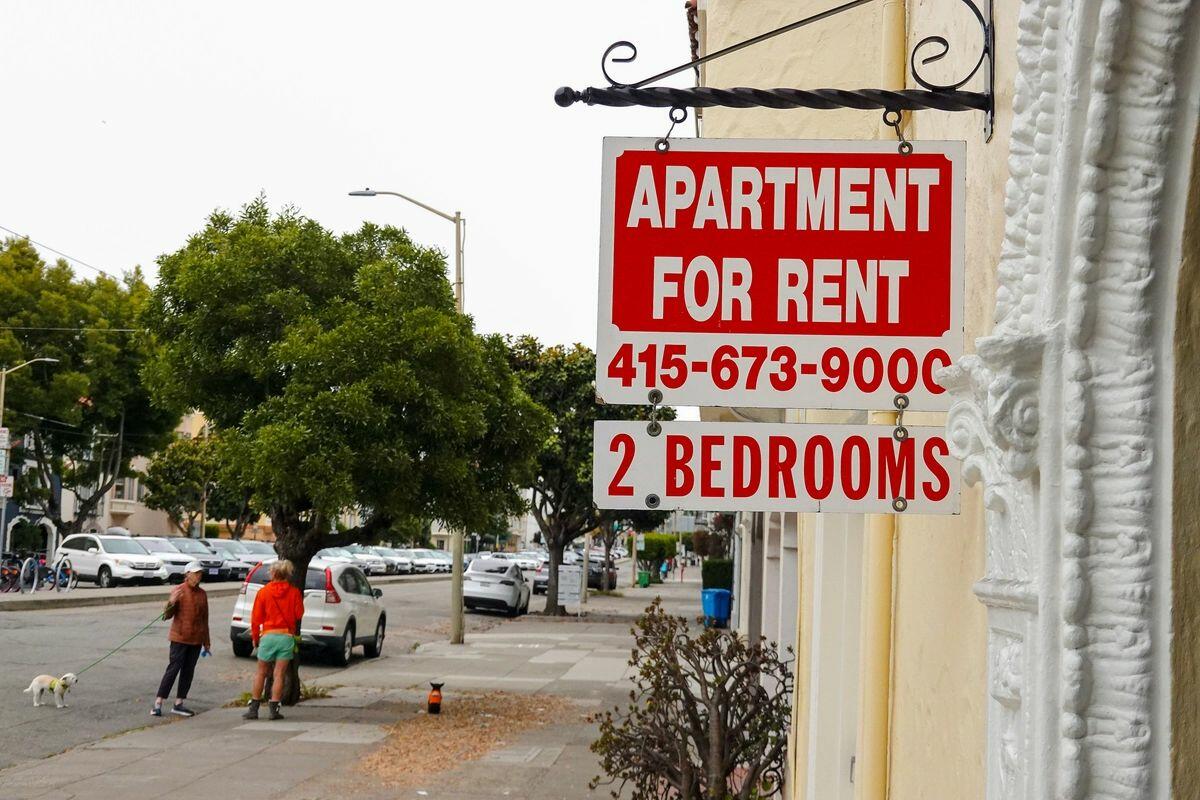
The national median apartment rent shook off the seasonal winter chill and inched up by 0.4 percent in March from February to $1,363, Apartment List reported.
However, the median rent was down by 1.7 percent from March 2025, the largest annual decline since Apartment List began compiling records in 2017. By comparison, year-over-year growth peaked at 18 percent during the winter of 2021.
Rents are generally soft or stagnant during the late fall and winter months as renters tend to forgo moving plans when it’s cold outside, but rates trend upward with warmer springtime and summer weather. The slight gain in March was the second consecutive monthly increase following a six-month span of declining rents, the Apartment List report said.
“This turn represents the market creeping out of the off-season, and we’ll likely see continued increases in the months ahead as moving activity ramps up, in line with typical seasonal patterns,” researchers at the organization wrote.
The national median rent peaked at $1,442 in August 2022 but has since trended downward, excluding seasonal jumps during the past three summers. Despite being 5.5 percent lower than its pandemic-induced peak, the national median monthly rent was still up 15 percent from $1,146 in January 2021.
Rents have softened behind a massive buildup of new apartment inventory. According to a February report by the National Association of Homebuilders (NAHB), multifamily development starts peaked at 547,000 apartment units in 2022, though apartment starts had dipped by 35 percent from that level by 2024. Multifamily starts were expected to be stronger in 2025 at an estimated 413,000 new units, the NAHB reported.
However, new multifamily construction is expected to taper off in 2026 and drop even further over the following two years, the NAHB stated.
“The multifamily market has slowed due to tighter financing and elevated construction costs and is moving towards a more constrained development environment,” said Danushka Nanayakkara-Skillington, assistant vice president for forecasting and analysis at the NAHB, in a statement.
Multifamily completions, meanwhile, peaked in 2024 with more than 608,000 new units hitting the market, a 38-year high, Nanayakkara-Skillington added.
That surge in inventory has led to rising vacancy rates. The vacancy rate among stabilized properties (those with at least 85 percent occupancy) is 7.3 percent, the highest rate since 2017, Apartment List noted.
The aggressive delivery of new apartment inventory in Sun Belt states has put downward pressure on rents, CoStar Group said in its latest market report. Year-over-year rent growth was down by 1.3 percent across the South in March, while the Mountain region dipped by 2.2 percent, CoStar Group reported.
Multifamily market conditions are expected to remain soft through the year, Apartment List added.
“Year-over-year rent growth hit a new low this month, while vacancies and time-on-market are both at peak levels. The wave of construction that has been driving these conditions is waning, but it now appears that weaker rental demand may keep rental conditions soft,” researchers wrote.
Tyler Durden
Thu, 04/02/2026 – 15:20