





US Secretly Repositions Bulk Of Stealth Cruise Missiles For Iran War
President Trump has set a Tuesday evening deadline for Iran to reopen the Strait of Hormuz, with Tehran facing severe consequences if it refuses. Trump’s messaging suggests the next phase of the conflict could shift toward strikes on power plants, bridges, and other critical infrastructure nationwide.
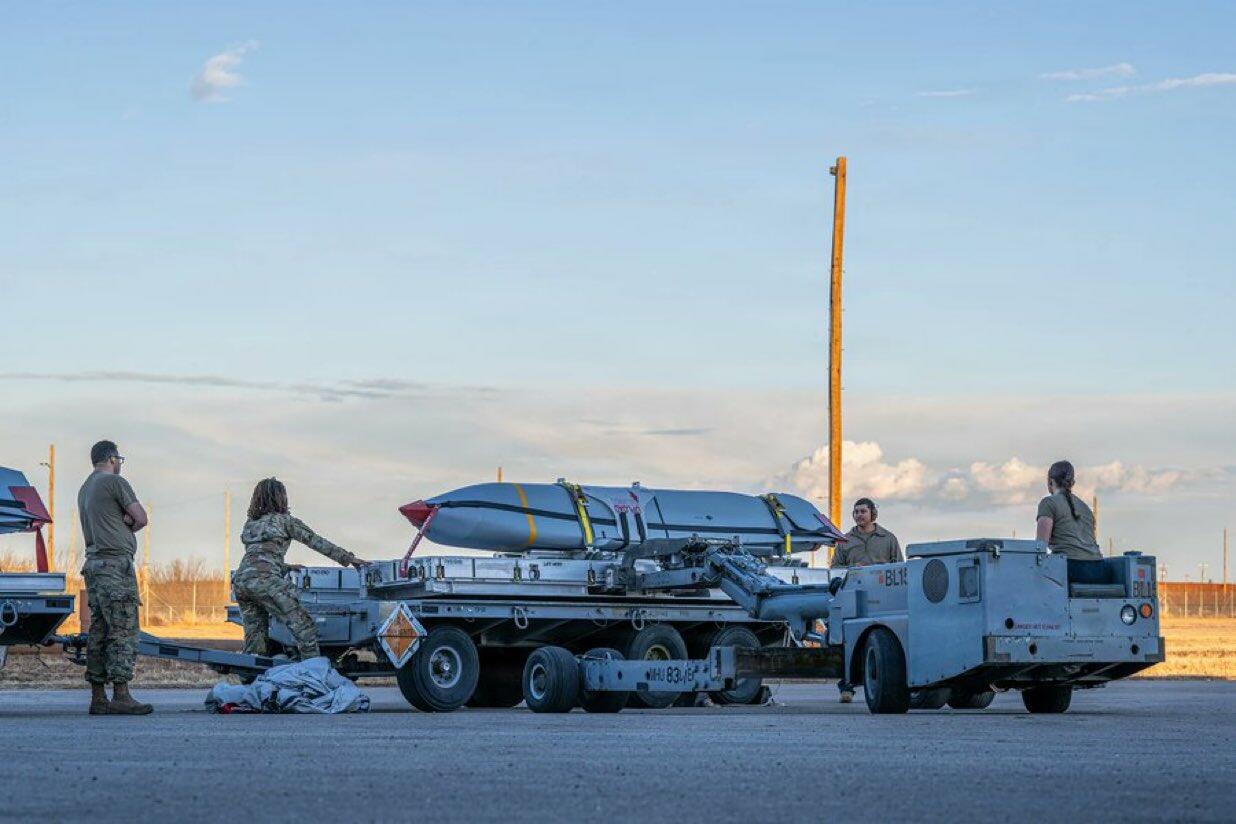
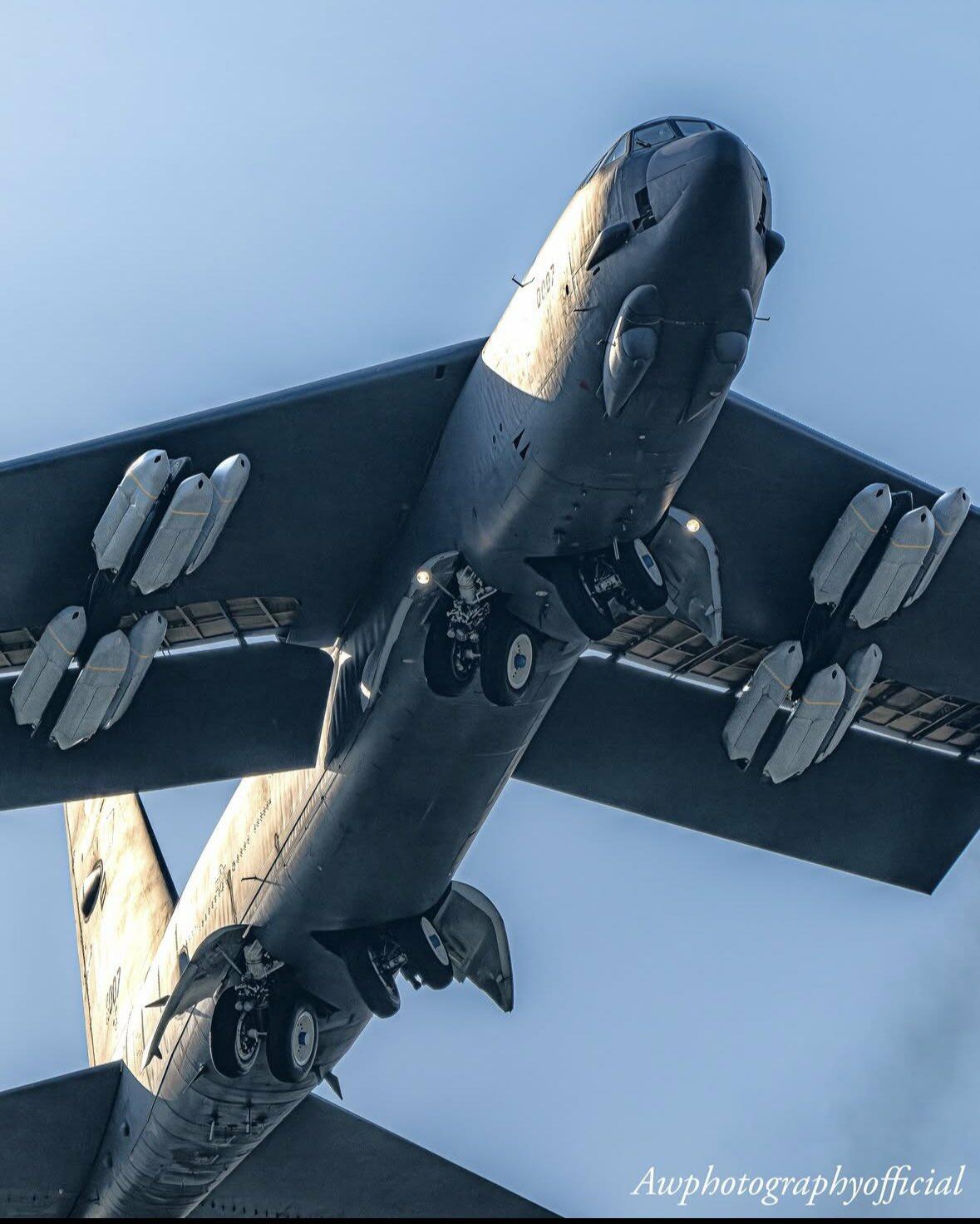
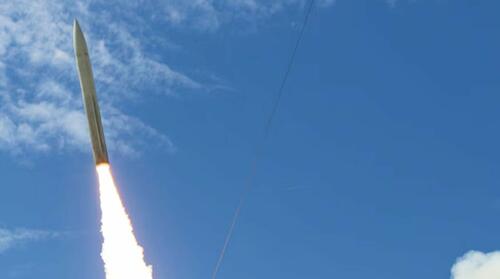
New reporting from Bloomberg suggests that the Department of War shifted a large share of its JASSM-ERs, formerly the AGM-158B Joint Air-to-Surface Standoff Missile-Extended Range, a long-range, conventional, air-launched stealth cruise missile fired from bomber aircraft and fighter jets, from Pacific theater stockpiles and U.S. warehouses to bases supporting the Gulf theater.
Sources told the outlet that the JASSM-ERs shifted out of U.S. warehouses in late March were being delivered to Central Command bases or to Fairford in the UK.
Neither the report nor its sources disclosed all the CENTCOM bases to which the stealth cruise missiles were being sent.
In recent days, large waves of U.S. transport planes have been observed flying from the U.S. into Europe, suggesting the DoW may already be laying the groundwork for resupplying munitions to the Gulf theater.
Bloomberg noted, “After the moves, only about 425 JASSM-ERs out of a prewar inventory of 2,300 will remain available for the rest of the globe. That would be roughly enough for 17 B-1B bombers on a single mission. Another 75 or so are ‘unserviceable’ because of damage or technical faults.”
The Air Force has described the JASSM-ER as having a range of more than 500 nautical miles, compared to about 200 nautical miles for the earlier JASSM.
The JASSM-ER allows U.S. forces to strike Iranian targets from farther away and with lower risk to aircrews – and comes after multiple U.S. military aircraft have been shot down, resulting in daring rescues of the crewmen.
The Air Force noted the JASSM-ER is already integrated into the B-1, B-2, B-52H, F-15E, and F-16, allowing many air-delivered launch options.
The movement of these stealth cruise missile stockpiles may suggest that if Iran does not agree to reopen the Strait by Tuesday evening, and also agree to some form of ceasefire, the next phase of the conflict will begin with a barrage of these missiles.
Tyler Durden
Mon, 04/06/2026 – 18:50