




Wildfire And Drought Risks Spike As California Enters Dry Season With Just 18% Snowpack
California is entering its dry season with far less snow than usual, heightening drought concerns across the state, according to Bloomberg.
Snowpack stands at just 18% of normal statewide, according to the Department of Water Resources. Conditions are especially severe in the Sierra Nevada: the northern region has only 6% of typical levels, while the central and southern areas are at 21% and 32%, respectively.
The shortfall matters because California depends on winter snow — not year-round rainfall — for much of its water. Snowpack, typically measured around April 1 at its peak, acts as a natural reservoir that melts in spring and summer to supply cities, farms and ecosystems.
This year, however, warmer Pacific storms brought more rain than snow, boosting reservoirs but limiting snow accumulation. The snowpack also peaked early, in late February, before record March warmth rapidly melted it.
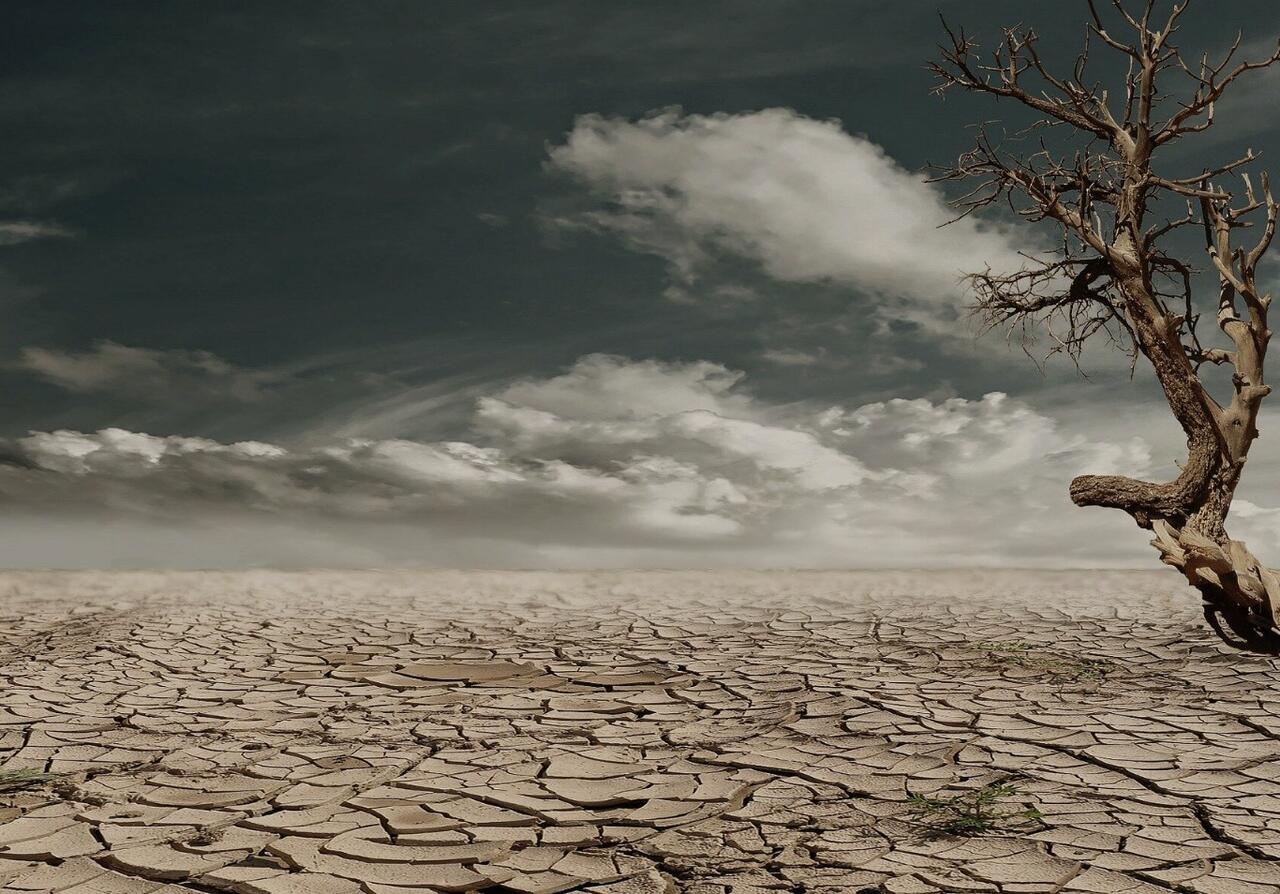
Bloomberg writes that the result could be widespread drought conditions, with increased wildfire risk and added strain on agriculture and wildlife as water supplies tighten.
Historically, California has seen similar swings between extreme lows and highs in snowpack. During the 2012–2016 drought, snow levels collapsed, culminating in 2015 — the lowest in at least 500 years — when many Sierra sites recorded little to no snow. Warmer temperatures, rather than just lack of precipitation, played a major role in that “snow drought,” a pattern scientists say is becoming more common.
At the same time, the state can quickly swing to the opposite extreme. Just a few years ago, 2023 brought one of the largest snowpacks on record — more than double the average — following multiple wet storms. These sharp reversals underscore California’s growing “boom-and-bust” water cycle, where exceptionally wet years are often followed by rapid declines, making long-term water planning increasingly difficult.
Tyler Durden
Sun, 04/05/2026 – 19:35