



Zelenskyy Says US Gave Ukraine And Russia A June Deadline To End War
Authored by Tom Ozimek via The Epoch Times,
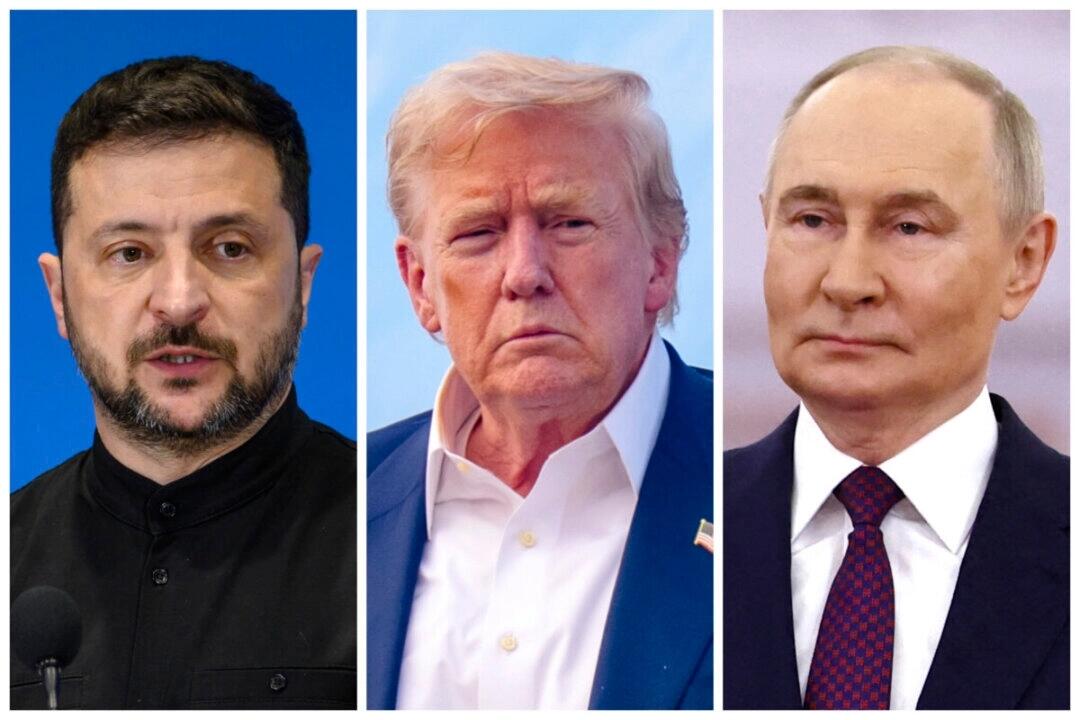
Ukrainian President Volodymyr Zelenskyy said on Feb. 6 that the United States has given both Ukraine and Russia a June deadline to reach an agreement to end the nearly four-year war, adding that Washington is likely to increase pressure on both sides if fighting continues beyond that point.
Speaking to reporters in Kyiv, Zelenskyy said U.S. officials have outlined a timeline aimed at securing an end to hostilities by early summer, as the Trump administration steps up diplomatic efforts to halt Europe’s largest conflict since World War II.
“The Americans are proposing the parties end the war by the beginning of this summer,” Zelenskyy said, according to remarks embargoed until Feb. 7. He added that Washington wants “a clear schedule of all events” and would likely apply pressure “precisely according to this schedule” if progress stalls.
Zelenskyy said U.S. officials have made clear they intend to “do everything” to bring the war to an end by June. He did not specify what form pressure might take or whether it would apply equally to Kyiv and Moscow.
The White House did not immediately respond to a request for comment or confirmation.
US-Brokered Talks Continue
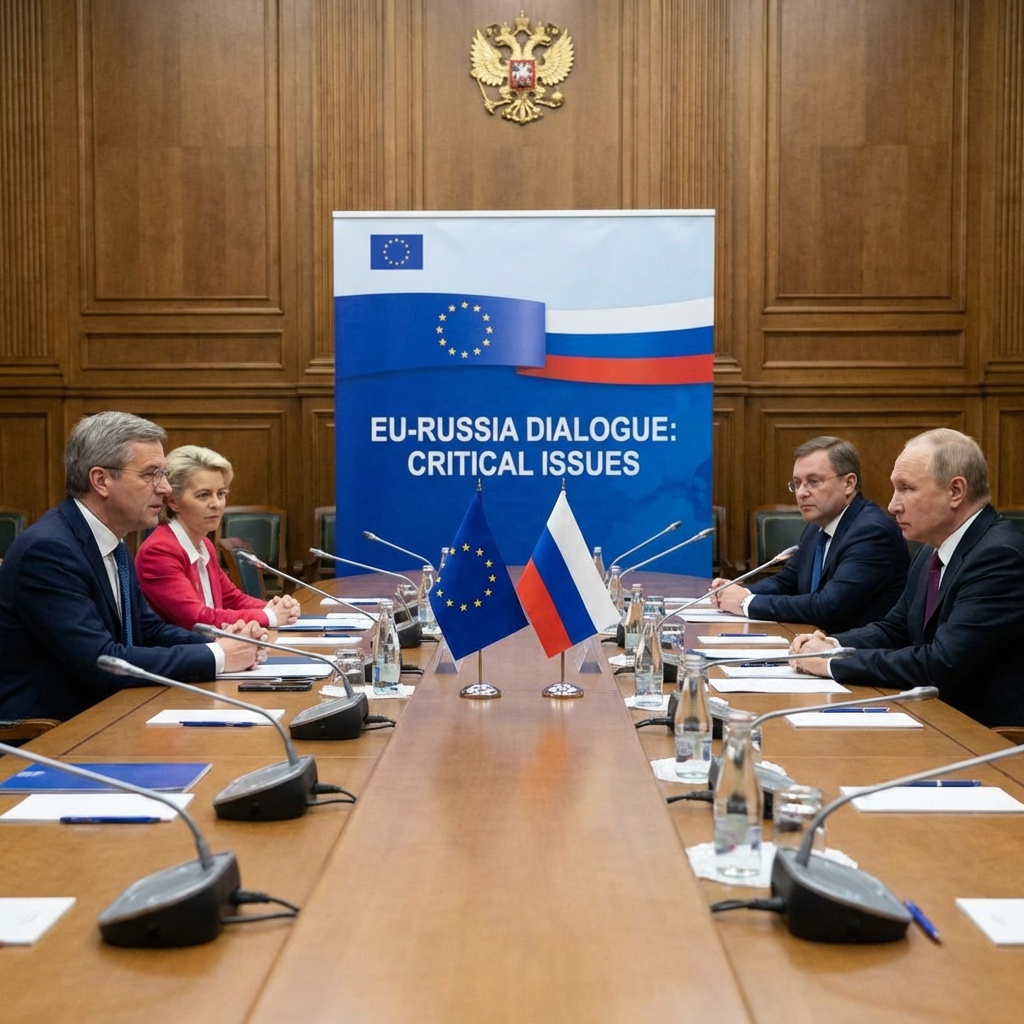
Zelenskyy’s comments came after the latest round of U.S.-brokered trilateral talks in Abu Dhabi involving representatives from the United States, Ukraine, and Russia. All sides described the discussions as constructive, and a Russia–Ukraine prisoner swap was announced, but no cease-fire or political agreement was reached.
U.S. President Donald Trump told reporters on Feb. 6 aboard Air Force One that “we had very, very good talks today, having to do with Russia, Ukraine,” adding that “something could be happening.”
Trump did not provide details on the discussions or address whether a formal deadline had been communicated to the warring parties.
Ukrainian Defense Minister Rustem Umerov said the Feb. 4–5 talks focused on creating conditions for a lasting peace and included discussions on cease-fire implementation and monitoring mechanisms.
“Ukraine expresses its gratitude to [President] Donald Trump for his leadership in advancing efforts aimed at ending the war,” Umerov said.
Russian presidential representative and Russian Direct Investment Fund chief Kirill Dmitriev, who was present at the talks, reported that there was “good, positive movement forward” in the negotiations.
“As you know, we are actively working with the Trump administration to restore Russia–U.S. economic relations, including through the Russian-American Economic Cooperation Group,” he said, according to Russian state-owned news agency TASS.
The delegations agreed to a mutual exchange of 157 prisoners of war each—the first such exchange in five months—and said further talks would continue in the coming weeks.
Zelenskyy said Feb. 6 he had received an initial report from Ukraine’s negotiating team and was expecting a full in-person briefing in Kyiv.
“Further meetings are planned in the near future, likely in the United States,” he said, adding that Ukraine remains open to “all workable formats” that could bring peace closer.
He said that any settlement must ensure Russia “has no appetite to continue the war” and receives “no reward for its aggression.”
Despite renewed diplomacy, Moscow and Kyiv remain far apart on core issues.
Russia has insisted that Ukraine withdraw from the eastern industrial region of Donbas, where fighting remains intense. The Kremlin has described full control of the region as a key condition for any peace agreement.
Ukraine still controls about 20 percent of the Donetsk region and has repeatedly rejected Russian demands to cede the territory.
The diplomatic push comes as Russia continues to intensify attacks on Ukrainian energy infrastructure.
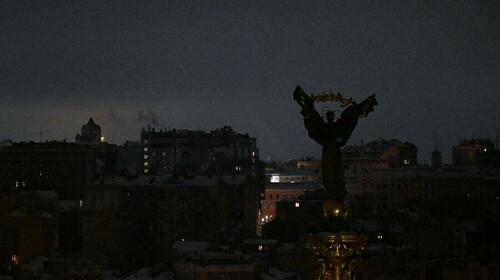
Overnight into Feb. 7, Russia launched a large-scale air assault involving more than 400 drones and around 40 missiles, Zelenskyy said. The strikes targeted power generation facilities and electricity distribution substations across several regions.
“Every day, Russia could choose real diplomacy, but it chooses new strikes,” Zelenskyy said in a post on X, accusing Moscow of using winter conditions as leverage.
Tyler Durden
Sat, 02/07/2026 – 14:00